.png)
Interoperability and operations in critical environments: international cooperation, system deployment and operational security

Shared Defense and International Cooperation: A New Operational Paradigm
One of the fundamental strategic frameworks for action of the Spanish Armed Forces is the Shared Defense, a model in which security challenges are addressed jointly within the international community. This approach not only reinforces the capacity to respond to common threats, but it requires a high degree of coordination, interoperability and standardization of procedures between allied countries.
In this context, the generation of Multinational Forces is based on the use of shared technical resources and compatible systems, where the interoperability of weapons and surveillance systems becomes a decisive factor in ensuring the operational effectiveness and safety of deployed personnel.
System Interoperability and Airspace Surveillance
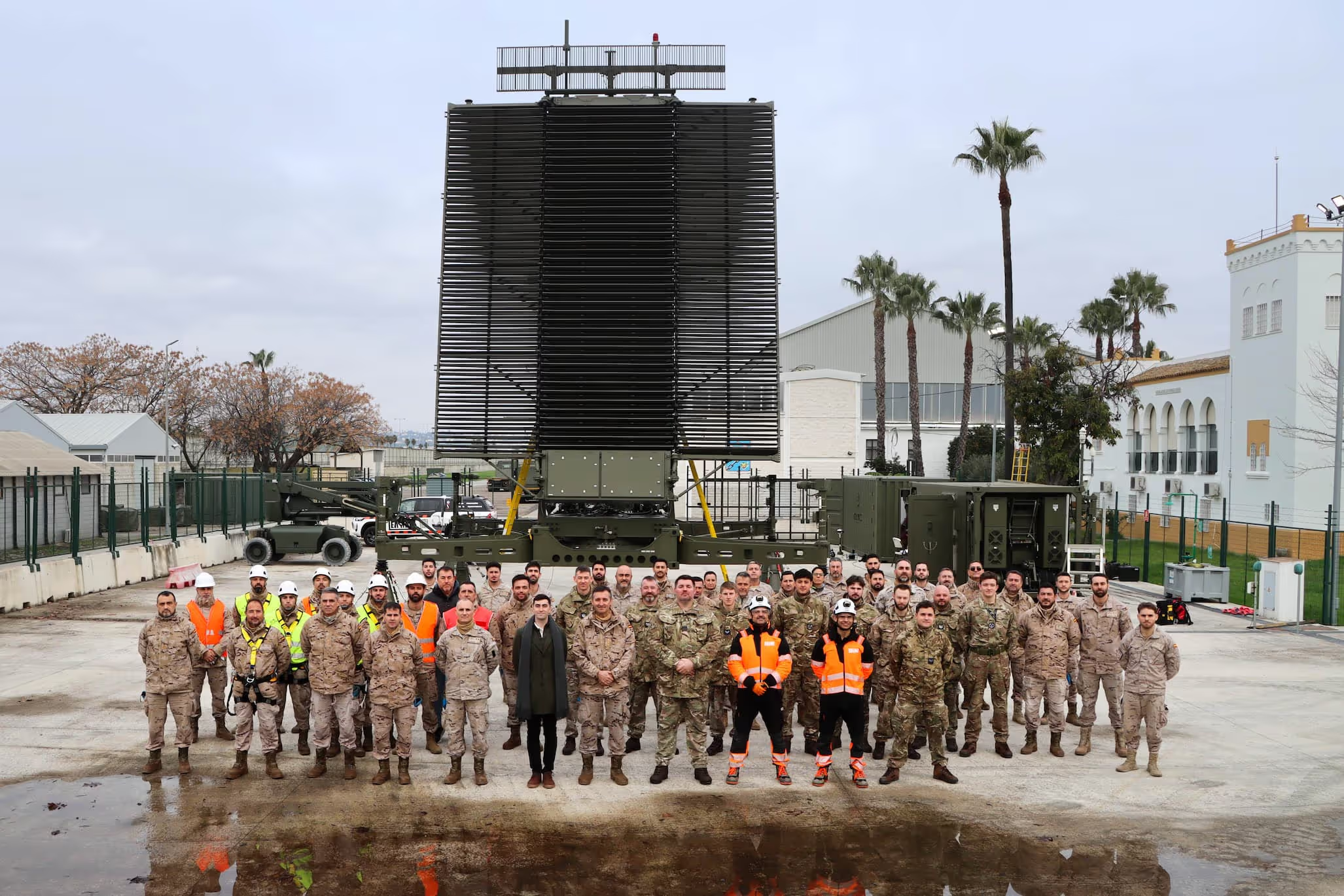
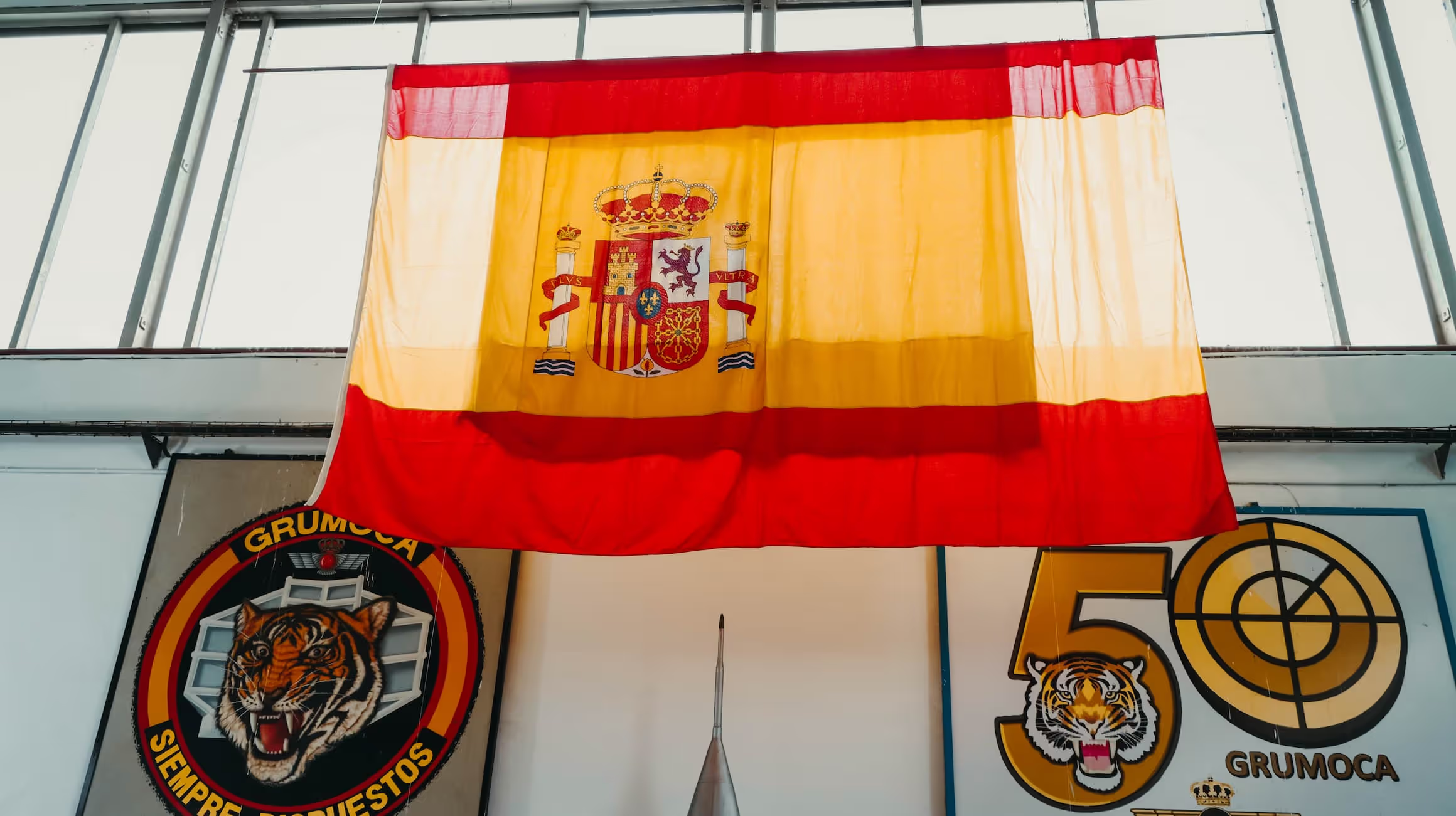
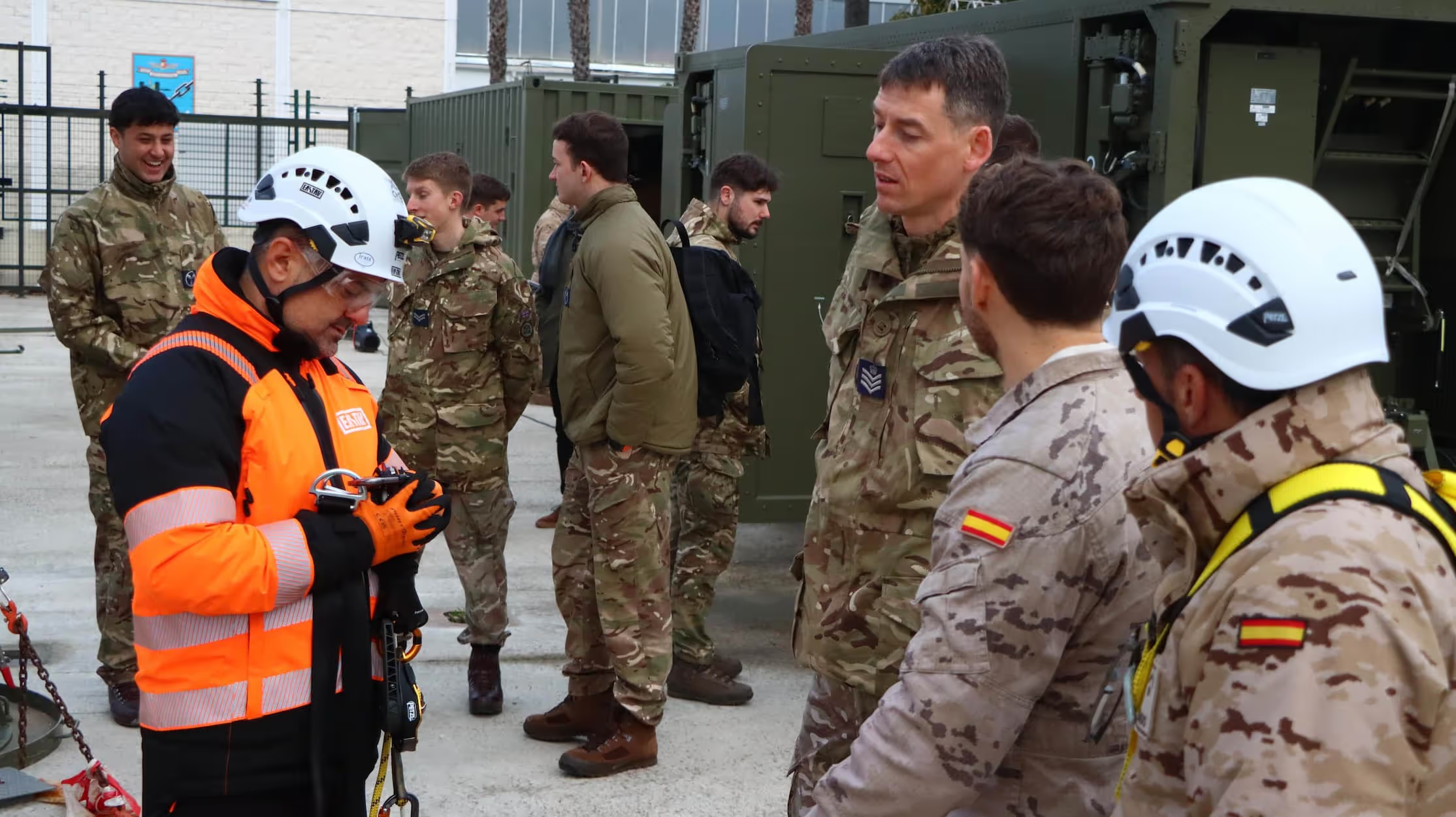
Interoperability isn't just a technological issue. It also involves the alignment of operational doctrines, procedures, training and safety culture. A recent example of this collaborative approach has been the exchange of knowledge between 144 Signals Unit (144-SU) of the Royal Air Force (RAF) And the Mobile Air Control Group (GRUMOCA) Of Spanish Air and Space Army.
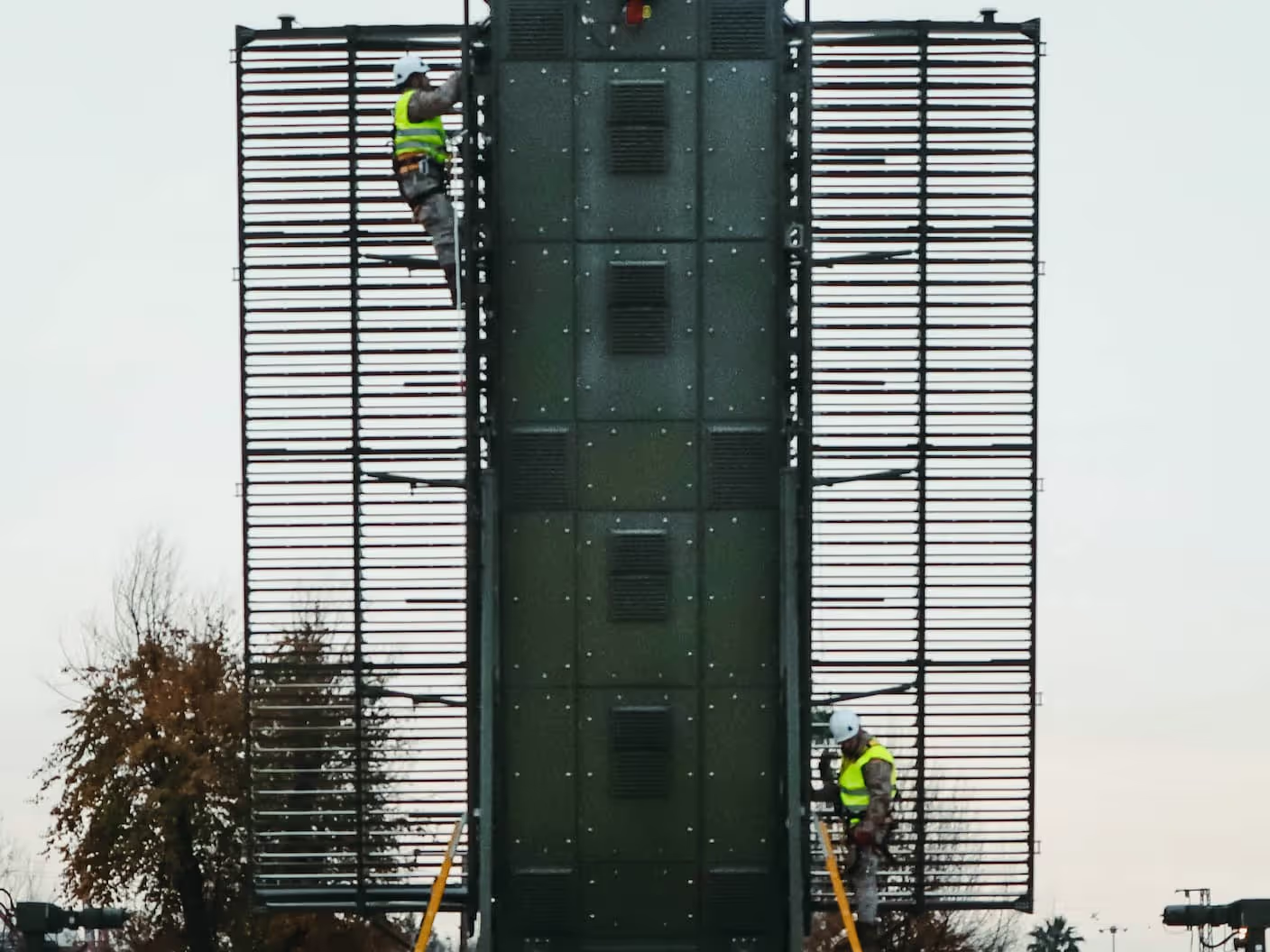
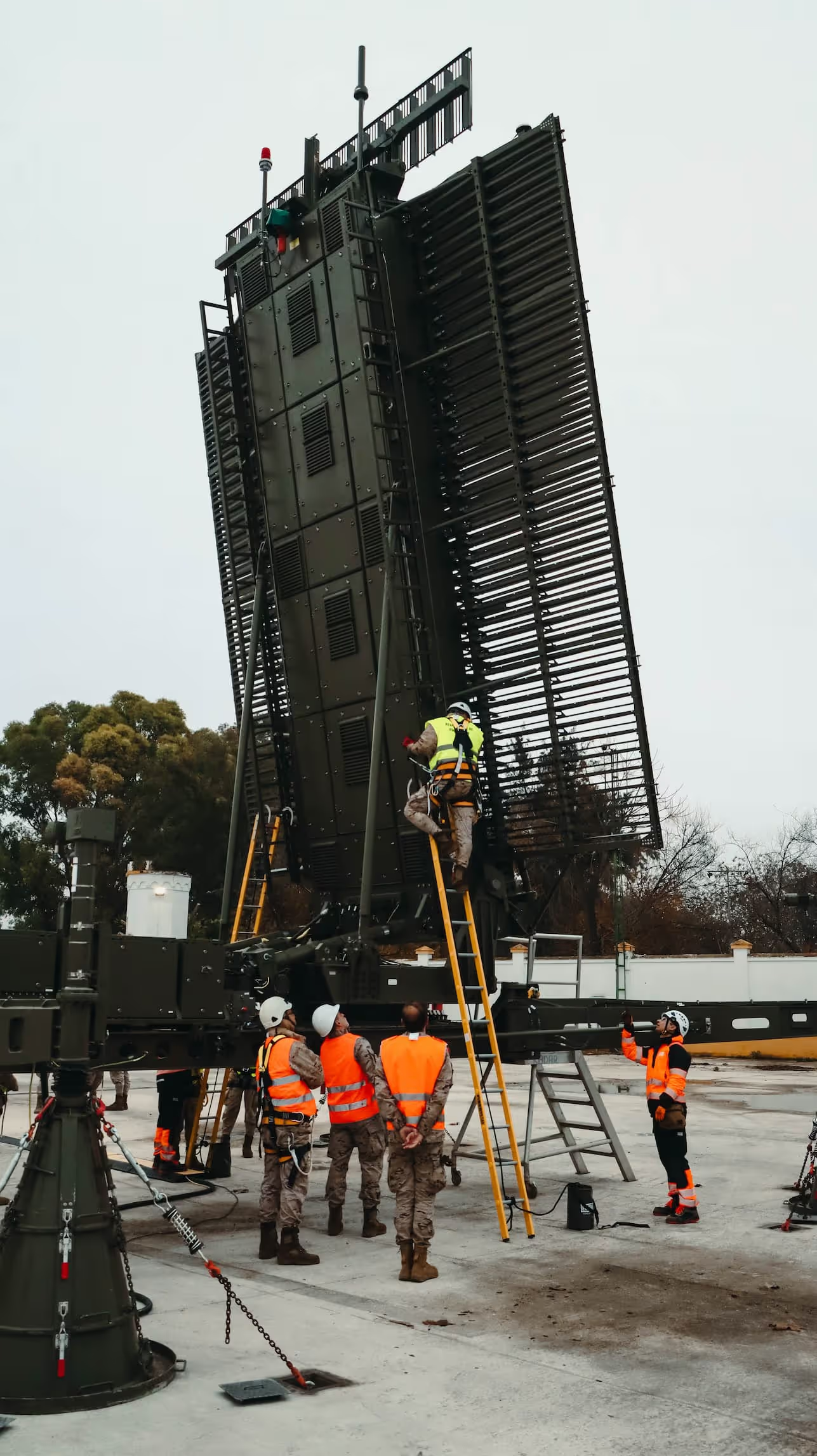
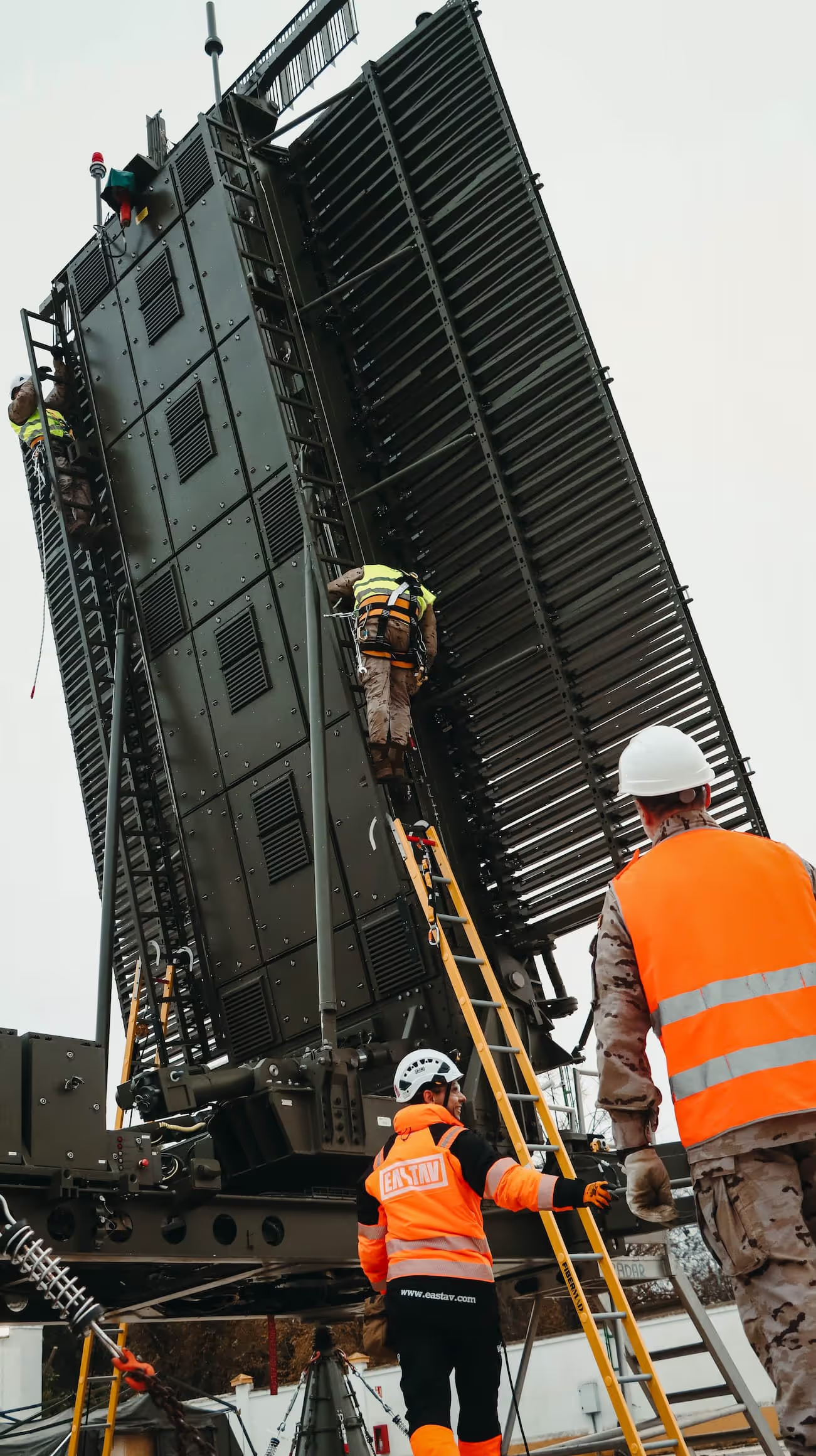
Both units share the responsibility to contribute to the Airspace Surveillance and Control, operating deployable long-range surveillance radar systems LTR-25, developed by Indra Group. These systems, designed to operate in complex and changing environments, require precise coordination both at the technical and human levels.
Deployable radar systems: logistics, mobility and field operation
During the months of December 2025 and January 2026, several technical conferences were held that allowed us to deepen our mutual knowledge of the systems and procedures of both forces.
The first phase included the visit of GRUMOCA staff to the facilities of Indra in Torrejón And to Center for Radioelectric Evaluation and Analysis (CEAR) From INTA, where an upgrade of British radar subsystems was being carried out. This direct contact allowed us to analyze first-hand the System configuration, as well as the differences and similarities in the way radars are operated by both countries.
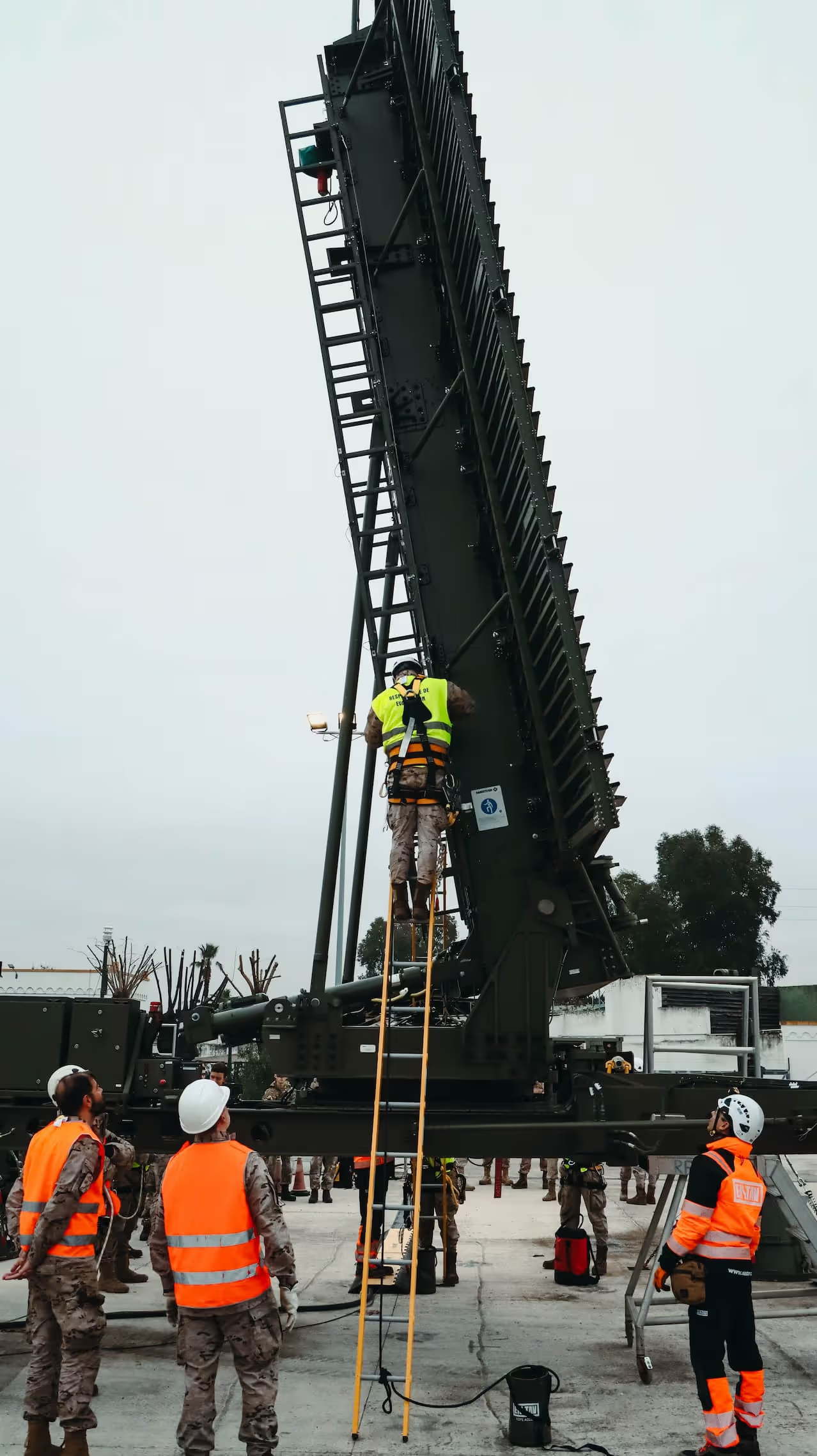
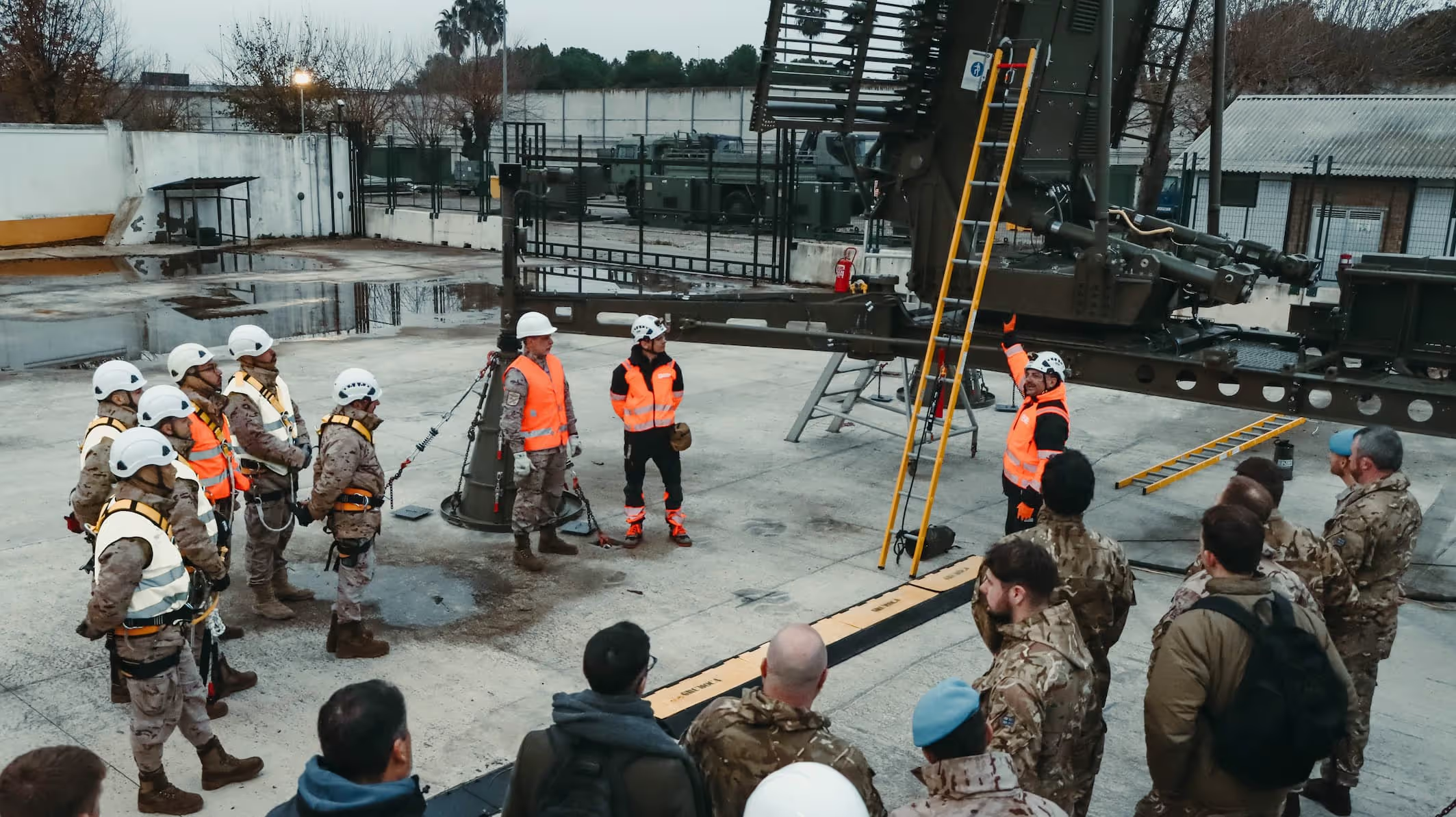
Subsequently, the 144-SU visited the GRUMOCA facilities in Seville, completing the exchange with practical demonstrations of Operation, Redeployment, Road Transport and Deployment of the different elements of the system. These activities were carried out both in the Air Surveillance Squadron No. 3 (EVA-3), in Constantina (Seville), as in the GRUMOCA facilities themselves.
The logistics associated with this type of deployable systems highlights the complexity of operating in Critical Environments, where every phase—from transportation to commissioning—must be executed under strict safety protocols.
Safety at height and personnel rescue: a critical factor in complex operations
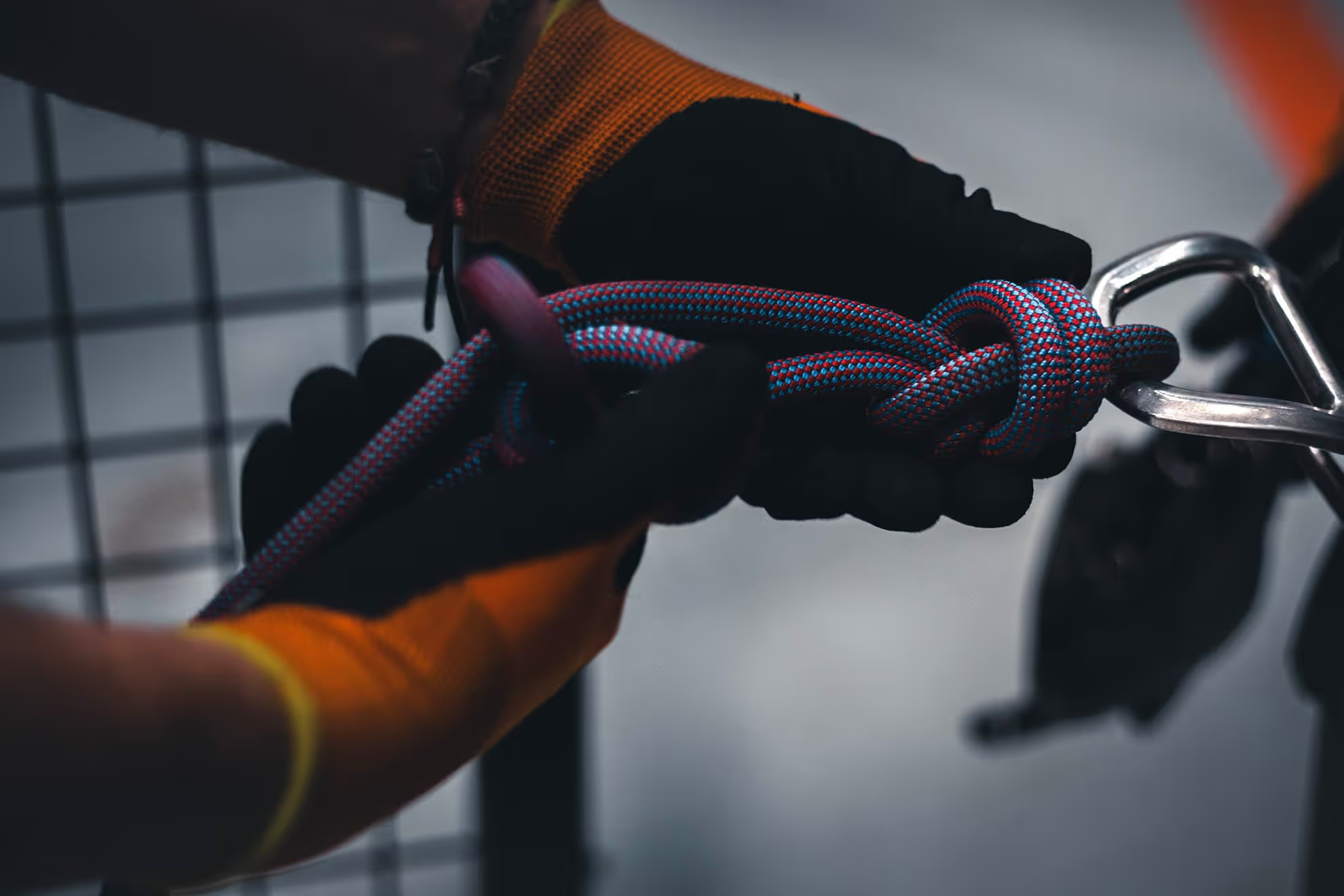
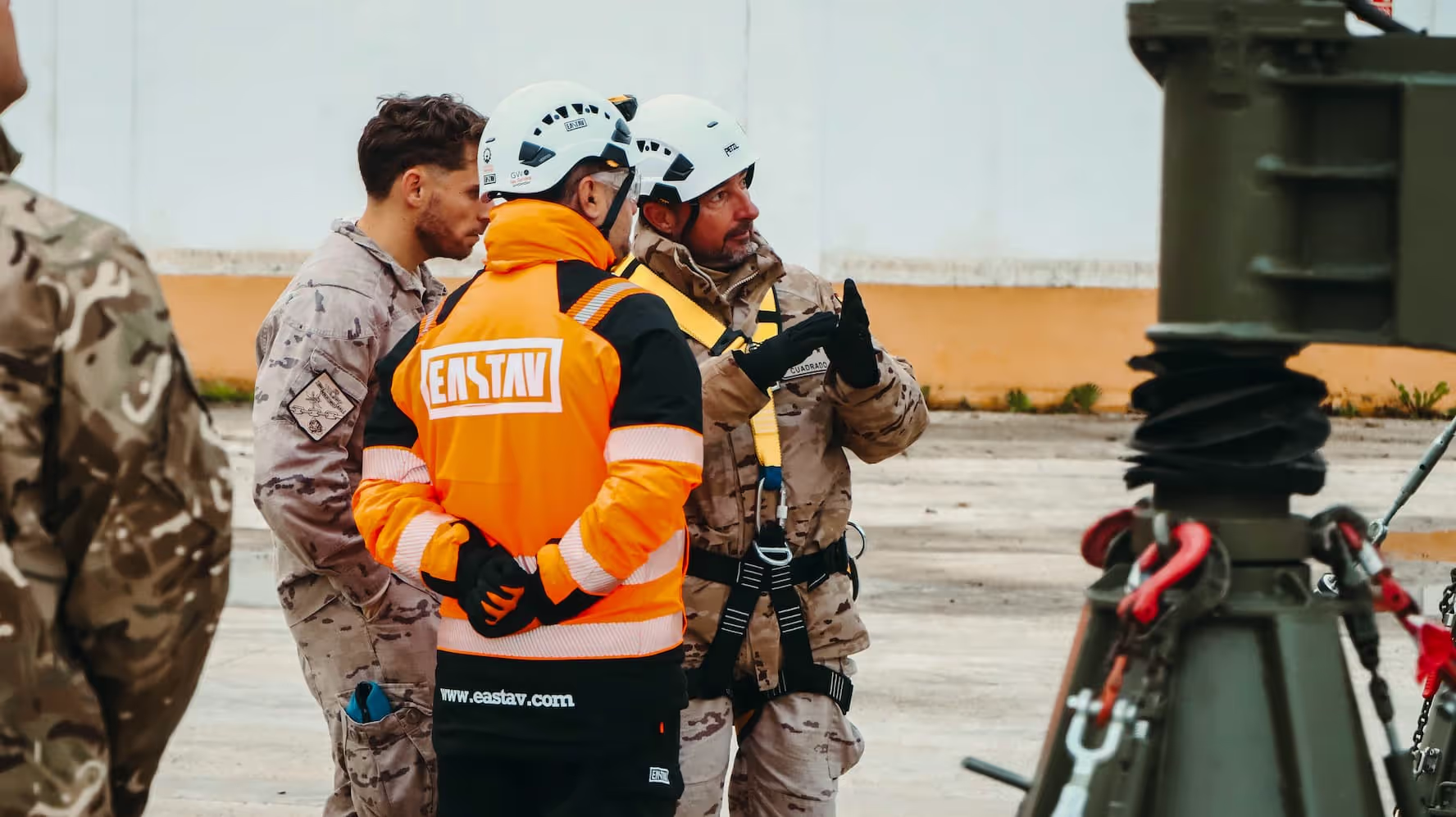
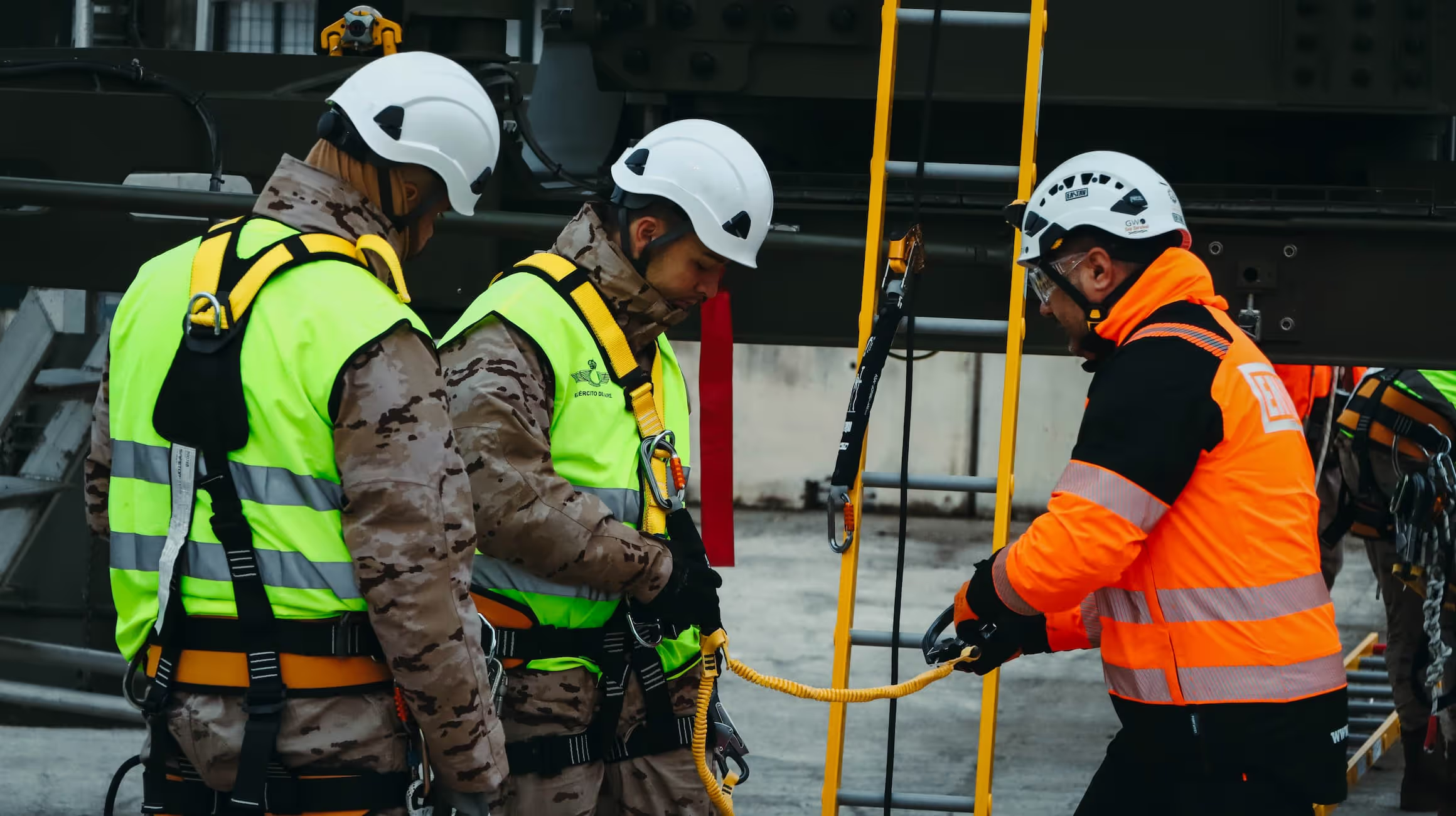
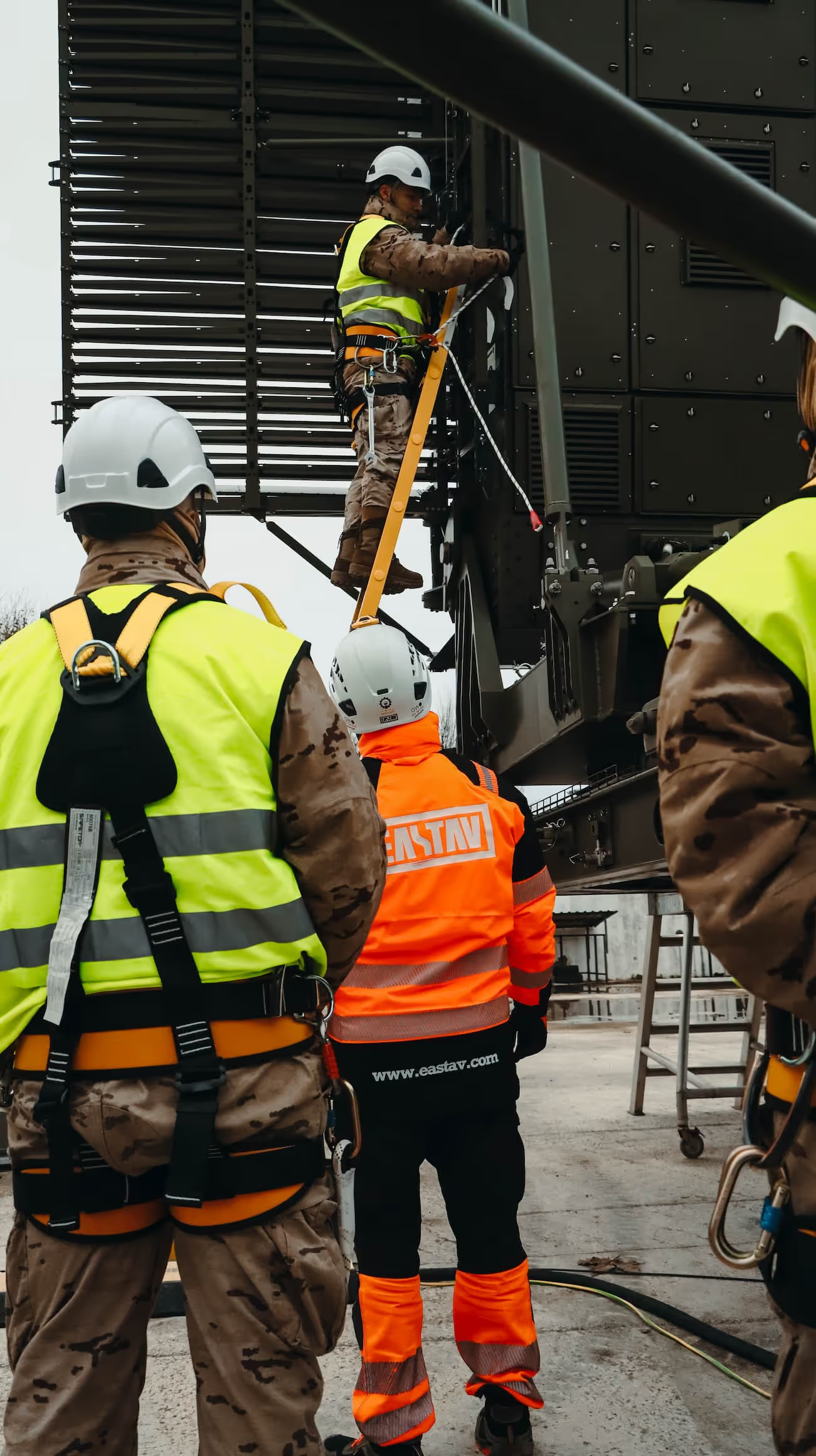
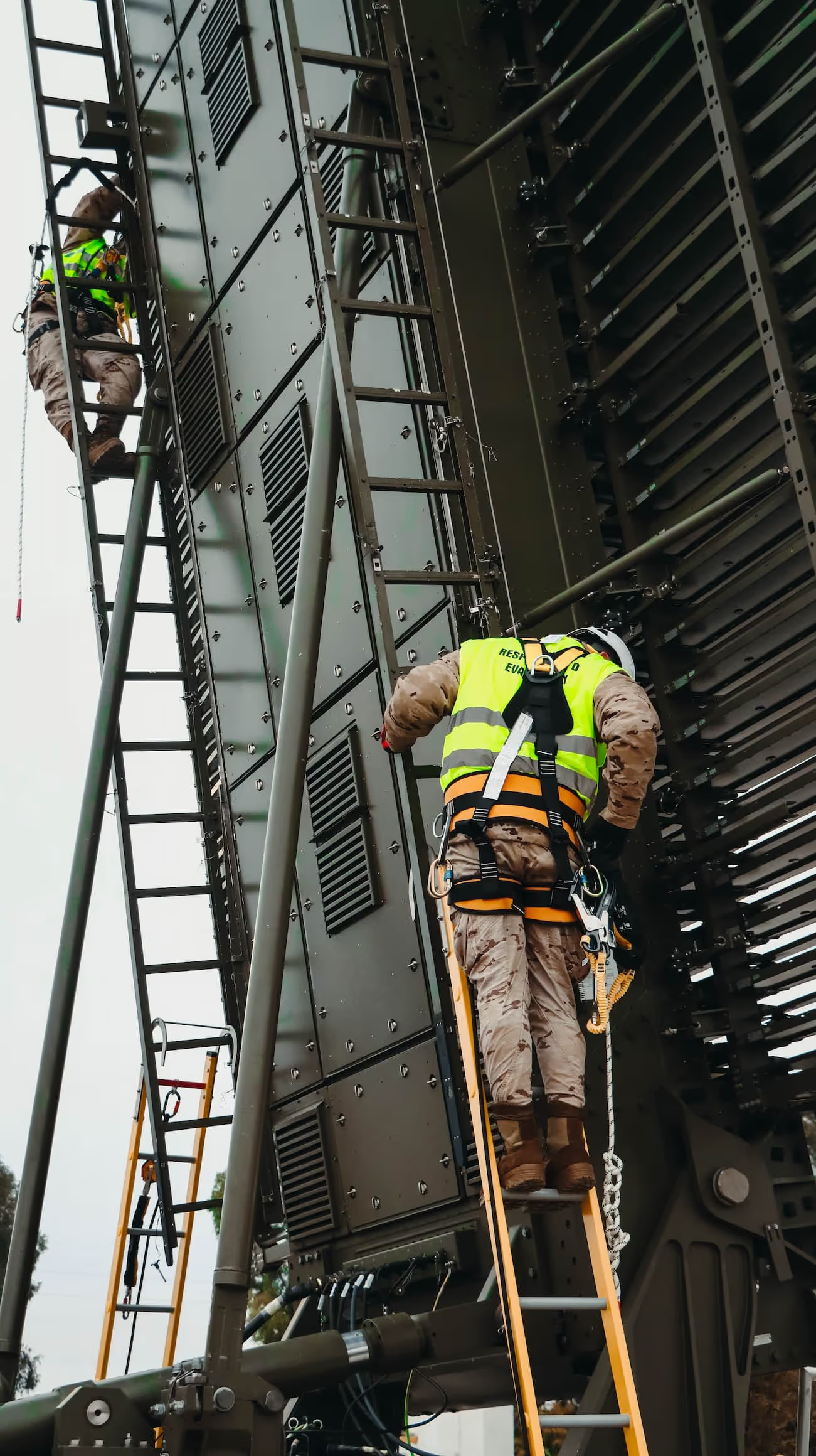
One of the most important aspects of these days was the holding of Rescue Practices for Personnel at Height, supervised by a Accredited company in the sector. This type of exercise underlines an unquestionable reality: in technical and military operations, Staff Safety it is as strategic an element as the technological system itself.
Work at height, access to complex structures and intervention in unconventional environments require Perfectly Defined Rescue Procedures, highly qualified personnel and specific training. The absence of these elements not only increases human risk, but also compromises the operational continuity of the mission.
In sectors such as defense, industry, energy or critical infrastructure, Risk Prevention, Incident Response Capacity and Technical Rescue are key competencies that must be integrated from the planning phase.
The value of training and operating procedures
Beyond systems and technology, these days highlighted the central role of Human Factor. Ongoing training, standardization of procedures and the exchange of real field experience are essential elements to ensure safe and effective operations.
GRUMOCA, which this year celebrates its 60th anniversary, depends organically and operationally on the Head of the Air Surveillance and Control System (JSVICA) Of Air Combat Command (MACOM), and contributes permanently to the mission of Air Operational Command (MOA). In addition, his experience extends to international operations, such as the deployment of the system TPS-43M in the Tigru Aerotactic Detachment, as part of the NATO operation EAP-RDR in Romania.
This operational background demonstrates that effectiveness in critical environments is built on Real Experience, Proven Procedures and a Strong Safety Culture.
From military cooperation to demanding professional environments
The requirements posed by military interoperability and the operation of deployable systems in complex environments are not exclusive to the field of defense. These same needs are present in professional sectors such as:
- Critical infrastructures
- Energy and Renewables
- Mining and subsoil
- Heavy industry
- Specialized Technical Services
In all of them, the Safety at Height, the Technical Rescue, the Specialized training And the Operational Risk Management are determining factors.
Experience as the basis of operational safety
At EASTAV, we understand that safety and operational efficiency do not depend solely on technology, but on integration between systems, people and procedures. The accumulated experience in highly demanding environments, together with rigorous and certified training, is the basis for intervening with guarantees in contexts where there is no room for error.
These types of international collaborations and operational exercises reinforce a key idea: readiness, interoperability and personnel safety are fundamental pillars for any operation in critical environments, whether in the military or in the civilian professional field.

Related professional teams
Certified material used and recommended by our technicians.
Train yourself for the most popular technical profiles
IRATA, GWO training and certified professional courses to access qualified, safe and recognized jobs in work at height and industry.