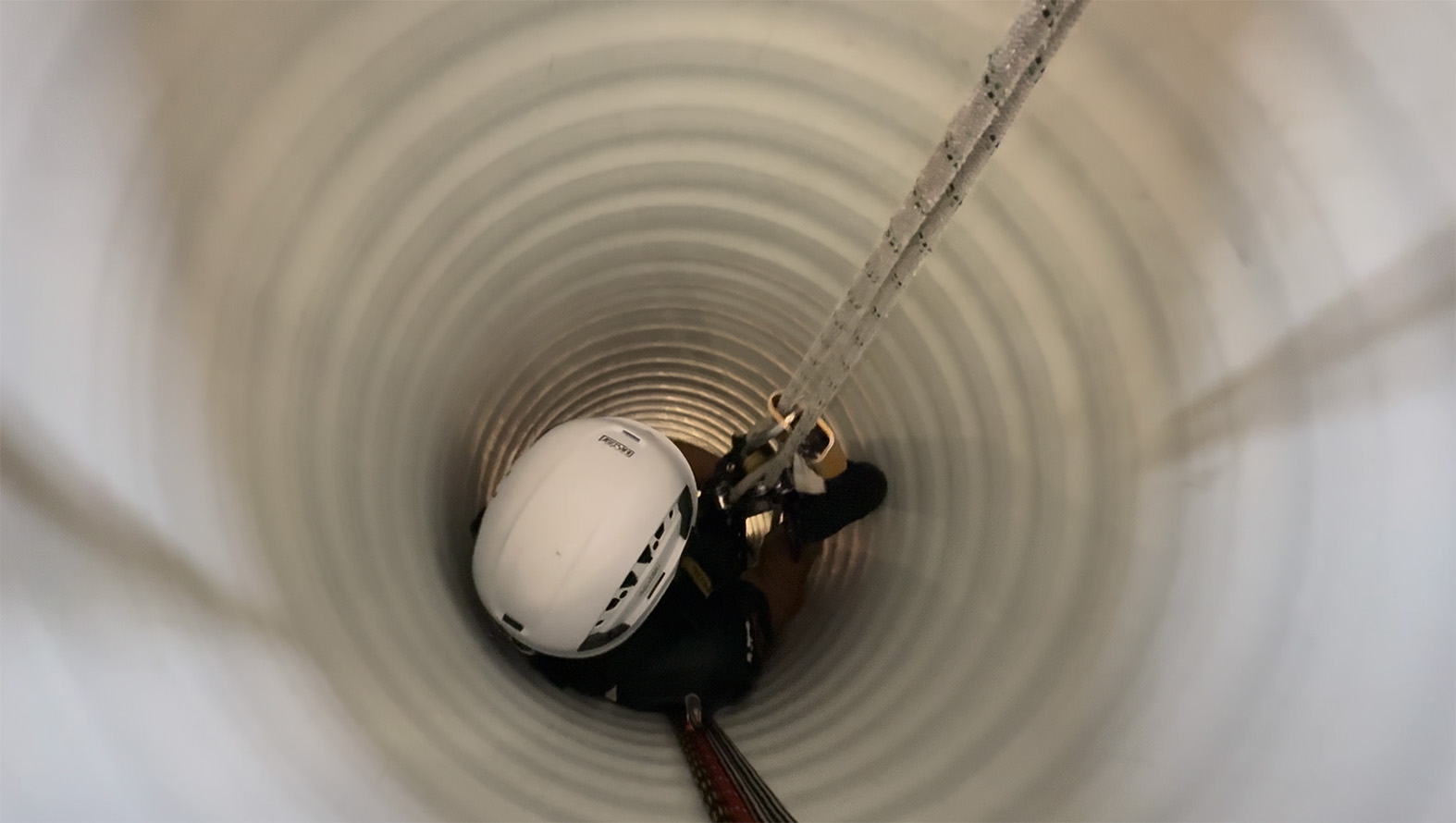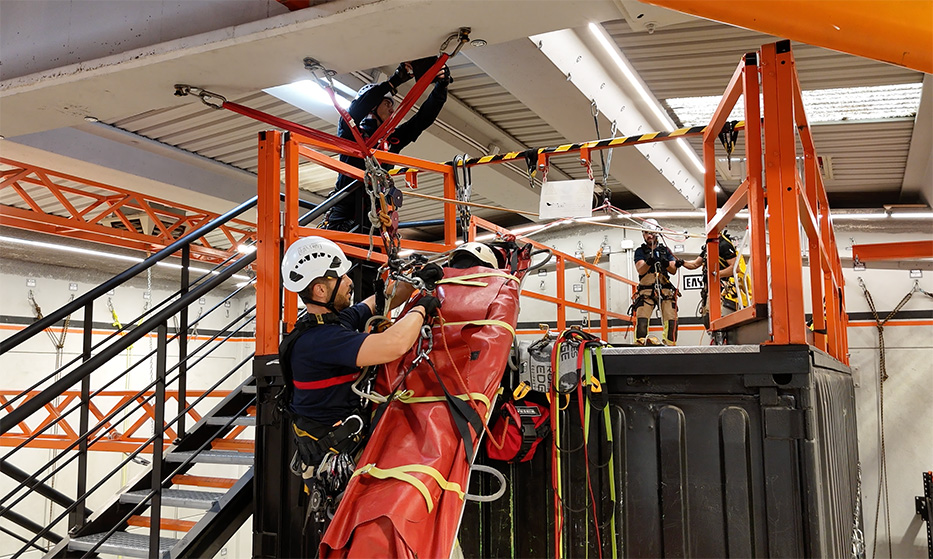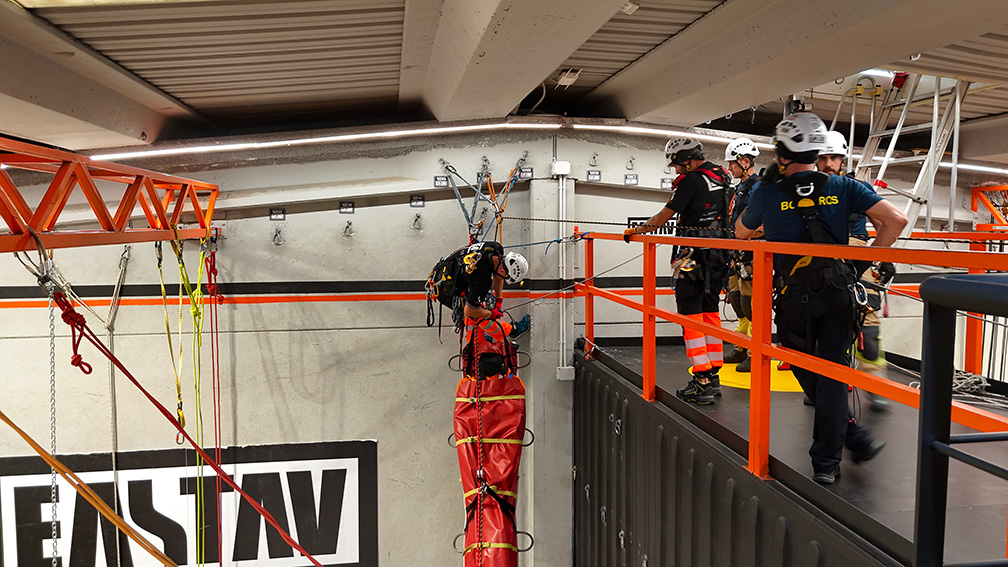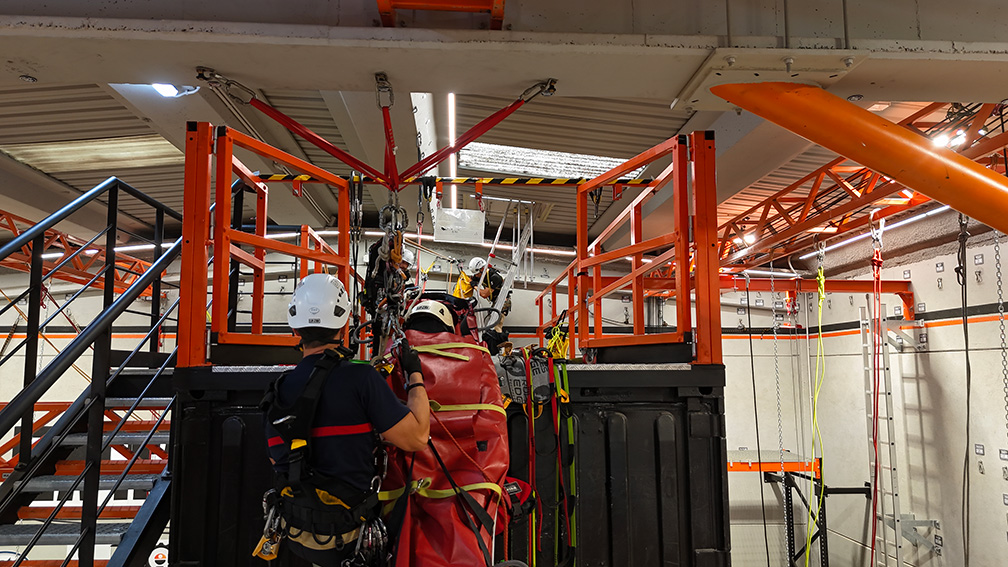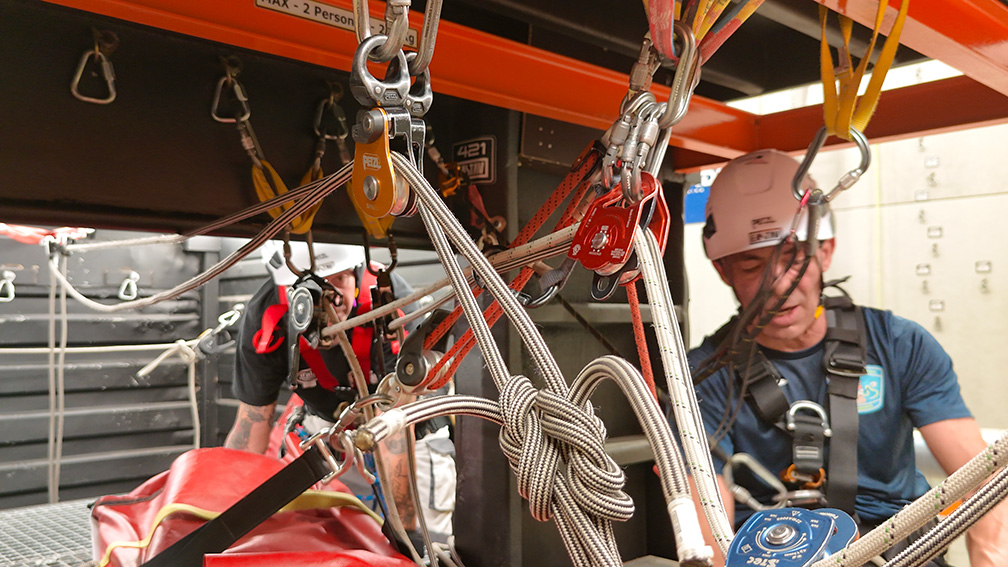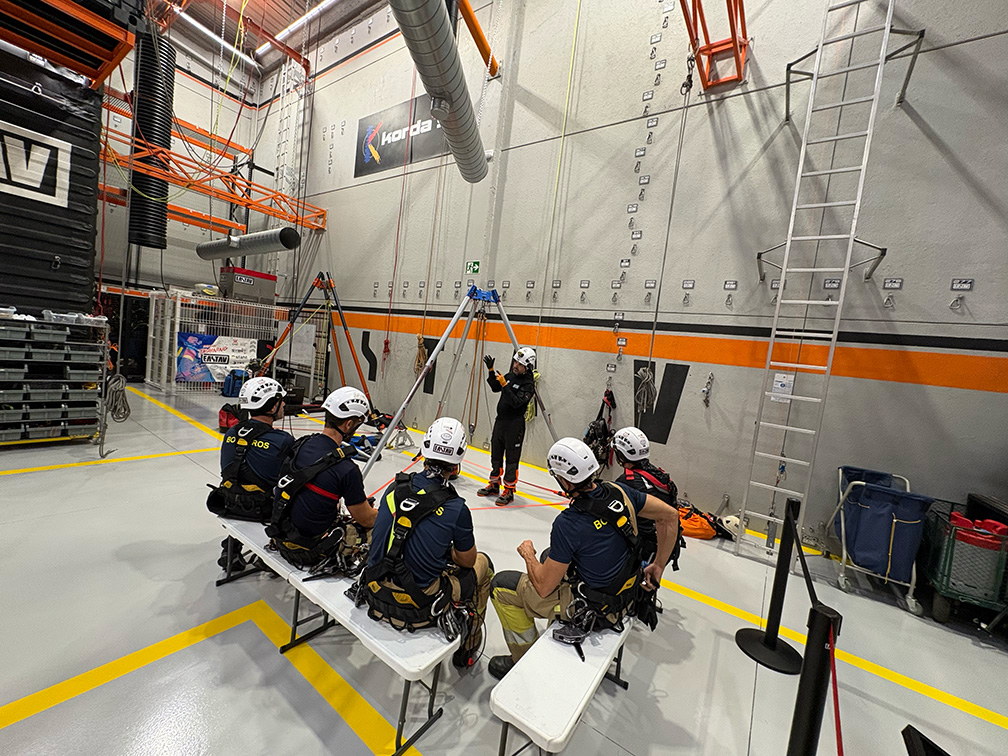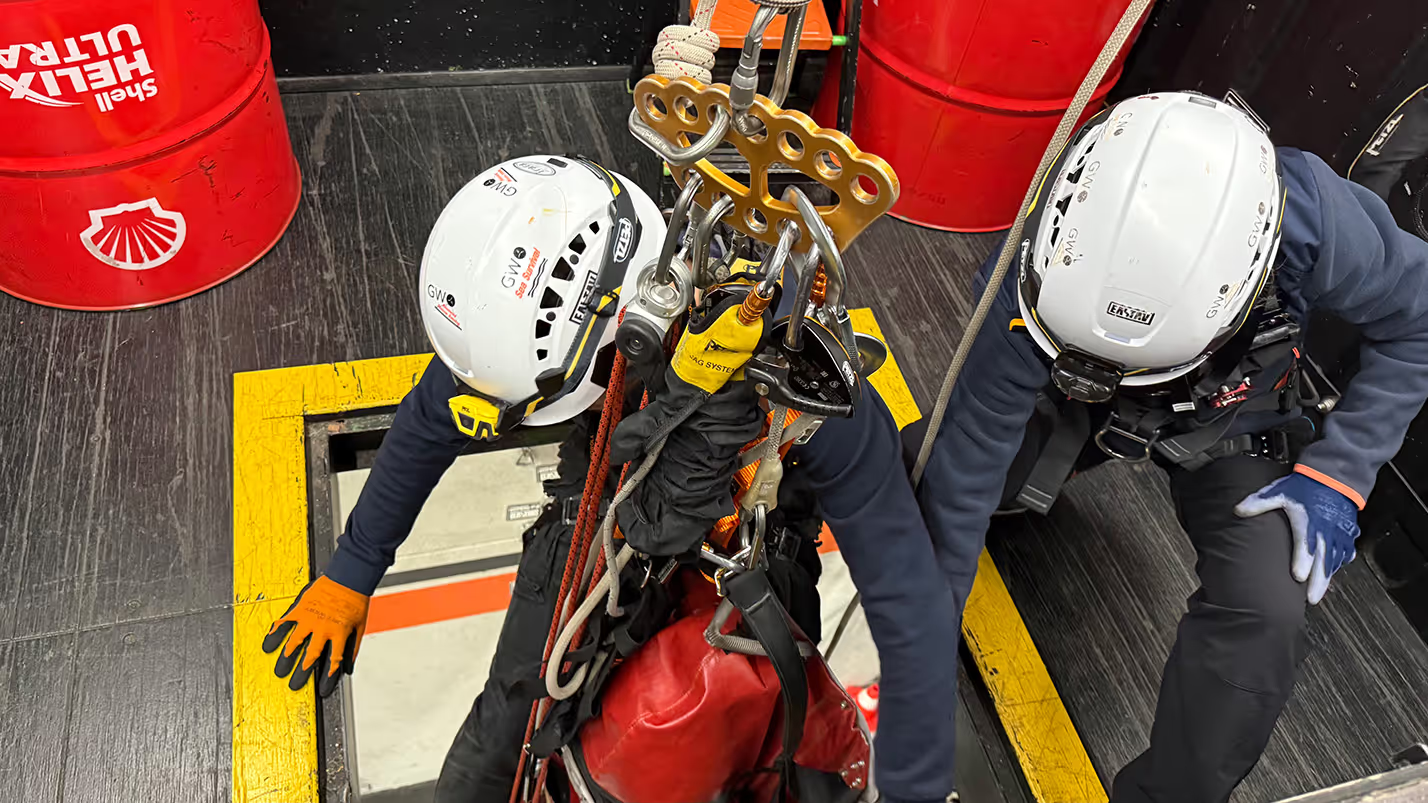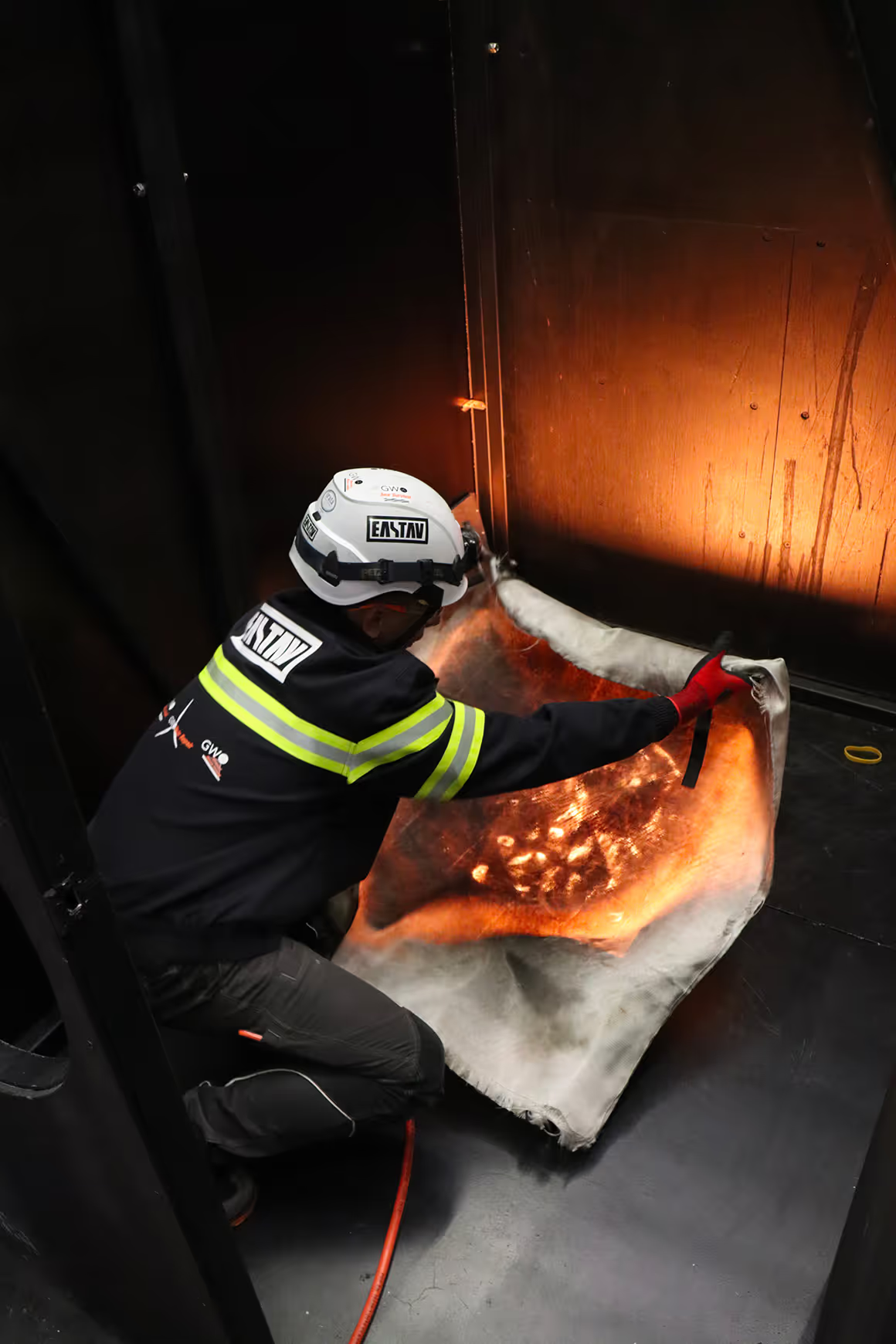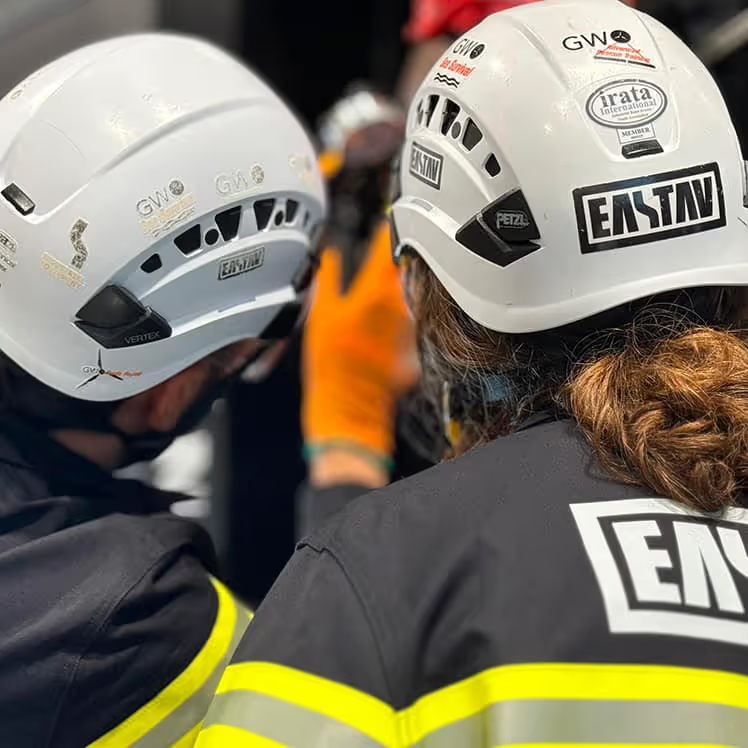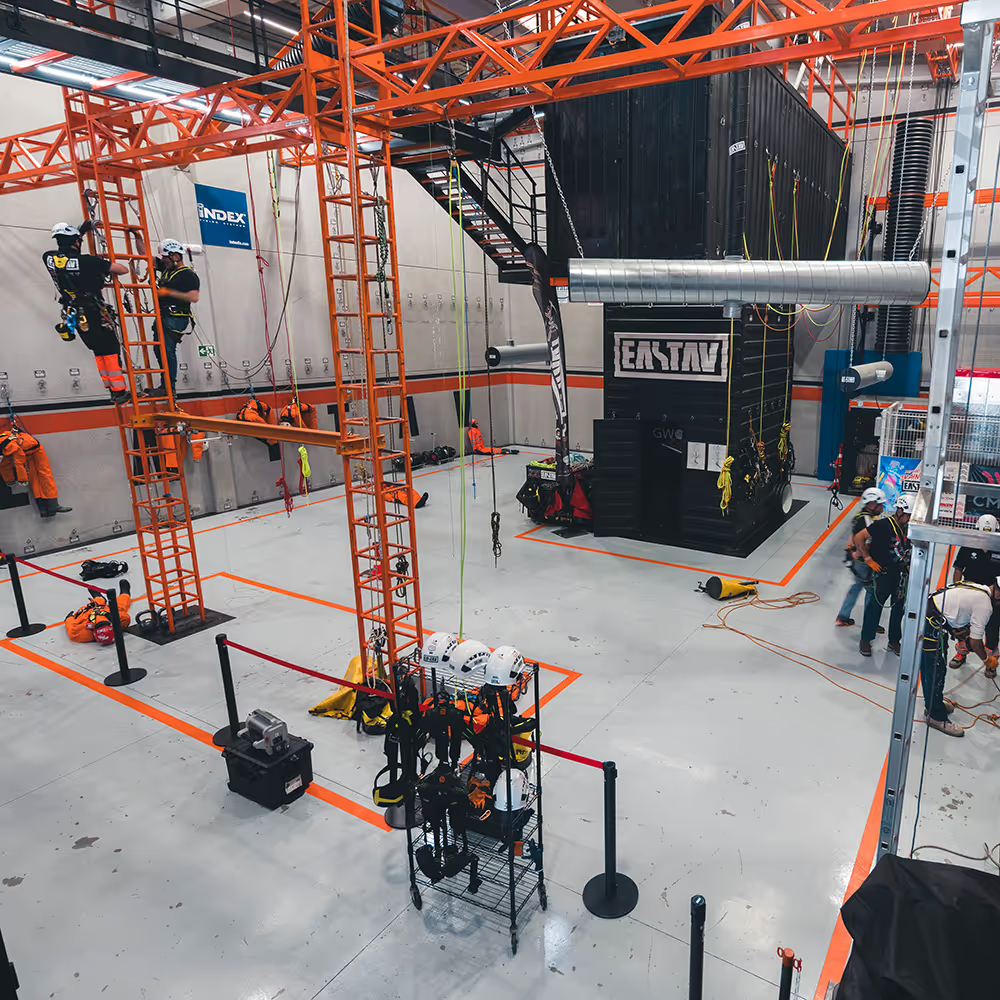
Industrial rescue training is essential for rescue teams and fire departments that operate in industrial environments or emergency situations. Our training establishes the requirements for the training of industrial rescue teams and provides guidelines to ensure that teams are adequately trained and prepared to respond to emergency situations in a safe and effective manner.
Training in industrial rescue must be continuous and adapted to changes in industrial environments and rescue technologies.
The training should cover the safety procedures necessary to ensure the safety of both rescuers and people trapped or in danger. This can include risk assessment, appropriate use of personal protective equipment (PPE), and effective communication between team members during a rescue operation.
It is important that industrial rescue teams have the opportunity to practice in simulated situations that mimic the real conditions of an industrial emergency.
This allows them to become familiar with rescue procedures and to develop practical skills in a controlled and safe environment. Training in industrial rescue must be continuous and adapted to changes in industrial environments and rescue technologies
Rescuers should be kept up to date on the latest developments in rescue techniques and safety equipment to ensure an effective response to any emergency.
Yes, this course is conducted in accordance with ISO22846 - 1/2 this is an international standard that provides guidelines and requirements for the use of rope access systems. This standard is divided into two parts: ISO 22846-1:2003 - Part 1: Basic Principles for a Safe Work System Objective: This part establishes the general principles and basic requirements for working safely using rope access systems. Scope: Applies to all activities that involve the use of ropes for access and position at work, regardless of the environment. Content: Work Planning: Risk Assessment, Emergency Planning, and Selection of Equipment and Methods. Equipment and Systems: Guidelines on the selection, inspection and maintenance of equipment. Competence and Training: Requirements for the training and competence of the personnel who use these systems. Work Procedures: Establishment of safe working procedures, including supervision and risk management. ISO 22846-2:2012 - Part 2: Code of Practice Objective: Provides a detailed code of practice for implementing the principles set out in Part 1. Scope: Focuses on the practical implementation of a safe rope working system. Importance of ISO 22846 Security: It helps to ensure that operations using rope access systems are carried out safely. Global Standards: Provides an international standard that can be adopted and used in a variety of environments and countries. Best Practices: Promotes the adoption of best practices in the industry, reducing the risk of accidents and improving operational efficiency.
ISO 22846-1 establishes the basic principles for a safe working system with rope access, but does not directly specify the duration or expiration of training certifications. EASTAV informs that recycling must be carried out every 3 years. Even if a certification doesn't have a formal expiration date, it's good practice to conduct ongoing training and regular updates to keep up to date with best practices, new techniques, and any changes in safety standards.
No, due to the physical and practical nature of the techniques taught, online training is not a viable option for the Industrial Rescue course, it is highly practical and requires the direct supervision of certified instructors to ensure safety and the correct acquisition of technical skills. The main components of the course include: o Practical Training: A large part of the course consists of performing rope access exercises and techniques in a controlled environment, where instructors can provide immediate feedback and correct any errors. o Evaluation in Real Situations: Participants must demonstrate their skills in scenarios that simulate real work situations. This includes proper use of equipment, rescue techniques and safety procedures.
Yes, you must have experience with rope access
Debes tener experiencia previa en técnicas de acceso por cuerdas, y cumplir con ciertos requisitos básicos. Estos requisitos suelen incluir: o Edad mínima: Debes tener al menos 18 años. o Condición física: Necesitas estar en buena condición física y sin problemas de salud que puedan impedirte realizar trabajos en altura de manera segura. o Aptitud médica: Es probable que necesites un certificado médico que confirme tu aptitud para trabajar en altura. o Comprensión del idioma: Debes ser capaz de entender y seguir las instrucciones en el idioma en el que se imparte el curso.
Industrial rescue training is essential for rescue teams and fire departments that operate in industrial environments or emergency situations. Our training establishes the requirements for the training of industrial rescue teams and provides guidelines to ensure that teams are adequately trained and prepared to respond to emergency situations in a safe and effective manner.
Training in industrial rescue must be continuous and adapted to changes in industrial environments and rescue technologies.
The training should cover the safety procedures necessary to ensure the safety of both rescuers and people trapped or in danger. This can include risk assessment, appropriate use of personal protective equipment (PPE), and effective communication between team members during a rescue operation.
It is important that industrial rescue teams have the opportunity to practice in simulated situations that mimic the real conditions of an industrial emergency.
This allows them to become familiar with rescue procedures and to develop practical skills in a controlled and safe environment. Training in industrial rescue must be continuous and adapted to changes in industrial environments and rescue technologies
Rescuers should be kept up to date on the latest developments in rescue techniques and safety equipment to ensure an effective response to any emergency.
Yes, this course is conducted in accordance with ISO22846 - 1/2 this is an international standard that provides guidelines and requirements for the use of rope access systems. This standard is divided into two parts: ISO 22846-1:2003 - Part 1: Basic Principles for a Safe Work System Objective: This part establishes the general principles and basic requirements for working safely using rope access systems. Scope: Applies to all activities that involve the use of ropes for access and position at work, regardless of the environment. Content: Work Planning: Risk Assessment, Emergency Planning, and Selection of Equipment and Methods. Equipment and Systems: Guidelines on the selection, inspection and maintenance of equipment. Competence and Training: Requirements for the training and competence of the personnel who use these systems. Work Procedures: Establishment of safe working procedures, including supervision and risk management. ISO 22846-2:2012 - Part 2: Code of Practice Objective: Provides a detailed code of practice for implementing the principles set out in Part 1. Scope: Focuses on the practical implementation of a safe rope working system. Importance of ISO 22846 Security: It helps to ensure that operations using rope access systems are carried out safely. Global Standards: Provides an international standard that can be adopted and used in a variety of environments and countries. Best Practices: Promotes the adoption of best practices in the industry, reducing the risk of accidents and improving operational efficiency.
ISO 22846-1 establishes the basic principles for a safe working system with rope access, but does not directly specify the duration or expiration of training certifications. EASTAV informs that recycling must be carried out every 3 years. Even if a certification doesn't have a formal expiration date, it's good practice to conduct ongoing training and regular updates to keep up to date with best practices, new techniques, and any changes in safety standards.
No, due to the physical and practical nature of the techniques taught, online training is not a viable option for the Industrial Rescue course, it is highly practical and requires the direct supervision of certified instructors to ensure safety and the correct acquisition of technical skills. The main components of the course include: o Practical Training: A large part of the course consists of performing rope access exercises and techniques in a controlled environment, where instructors can provide immediate feedback and correct any errors. o Evaluation in Real Situations: Participants must demonstrate their skills in scenarios that simulate real work situations. This includes proper use of equipment, rescue techniques and safety procedures.
Yes, you must have experience with rope access
Debes tener experiencia previa en técnicas de acceso por cuerdas, y cumplir con ciertos requisitos básicos. Estos requisitos suelen incluir: o Edad mínima: Debes tener al menos 18 años. o Condición física: Necesitas estar en buena condición física y sin problemas de salud que puedan impedirte realizar trabajos en altura de manera segura. o Aptitud médica: Es probable que necesites un certificado médico que confirme tu aptitud para trabajar en altura. o Comprensión del idioma: Debes ser capaz de entender y seguir las instrucciones en el idioma en el que se imparte el curso.
galería de imágenes


Cursos relacionados
Una experiencia de formación IRATA 1 altamente profesional en EASTAV
I recently completed a rope access training course at EASTAV in Sevilla, and I couldn’t be more grateful for the experience. From start to finish, the team was professional, attentive, patient, and thorough in their teaching approach.
They make sure that every student feels confident, safe, and supported throughout the course.The equipment is modern, well-maintained, and up to date, which really adds peace of mind during such a hands-on training.
On top of that, they provide a detailed book with all the essential knowledge you need, making it easy to continue learning and revising even outside the classroom.
EASTAV also has its own shop with top-quality products—from clothing to equipos—basically everything you could possibly need to work in the industry. This makes it incredibly convenient to start out fully prepared with reliable gear.
As a woman entering a field where we’re still underrepresented, I have felt nothing but welcome and supported here. EASTAV creates an inclusive environment where anyone can succeed—whether you’re male or female, new to the industry, or already experienced. You just need to be open to learning and willing to put in the effort.
Another big plus is the location—there are plenty of accessible facilities nearby, making the whole experience even more comfortable.
What really impressed me is the variety of globally recognized courses they offer, opening doors to industries such as the wind energy (sector eólico) sector and many others. EASTAV is not just a training center, but a place that helps you take real steps forward in your career.
I highly recommend EASTAV to anyone considering rope access or looking to expand their qualifications.
You’ll be in the best hands.A special thank you to Viviana, José, Hernan and Henry! 🫶



Da tu próximo paso en trabajos verticales
Certificaciones oficiales, IRATA, GWO, FormacionesProfesionales, instalaciones de alto nivel y un equipo que te acompaña en cada paso.

Próximas sessiones
Consulta el calendario actualizado de nuestras formaciones IRATA, GWO y PRL, con fechas abiertas y plazas disponibles. Elige la sesión que mejor se adapta a tu agenda y avanza en tu certificación con total confianza y planificación.

.png)