
.png)
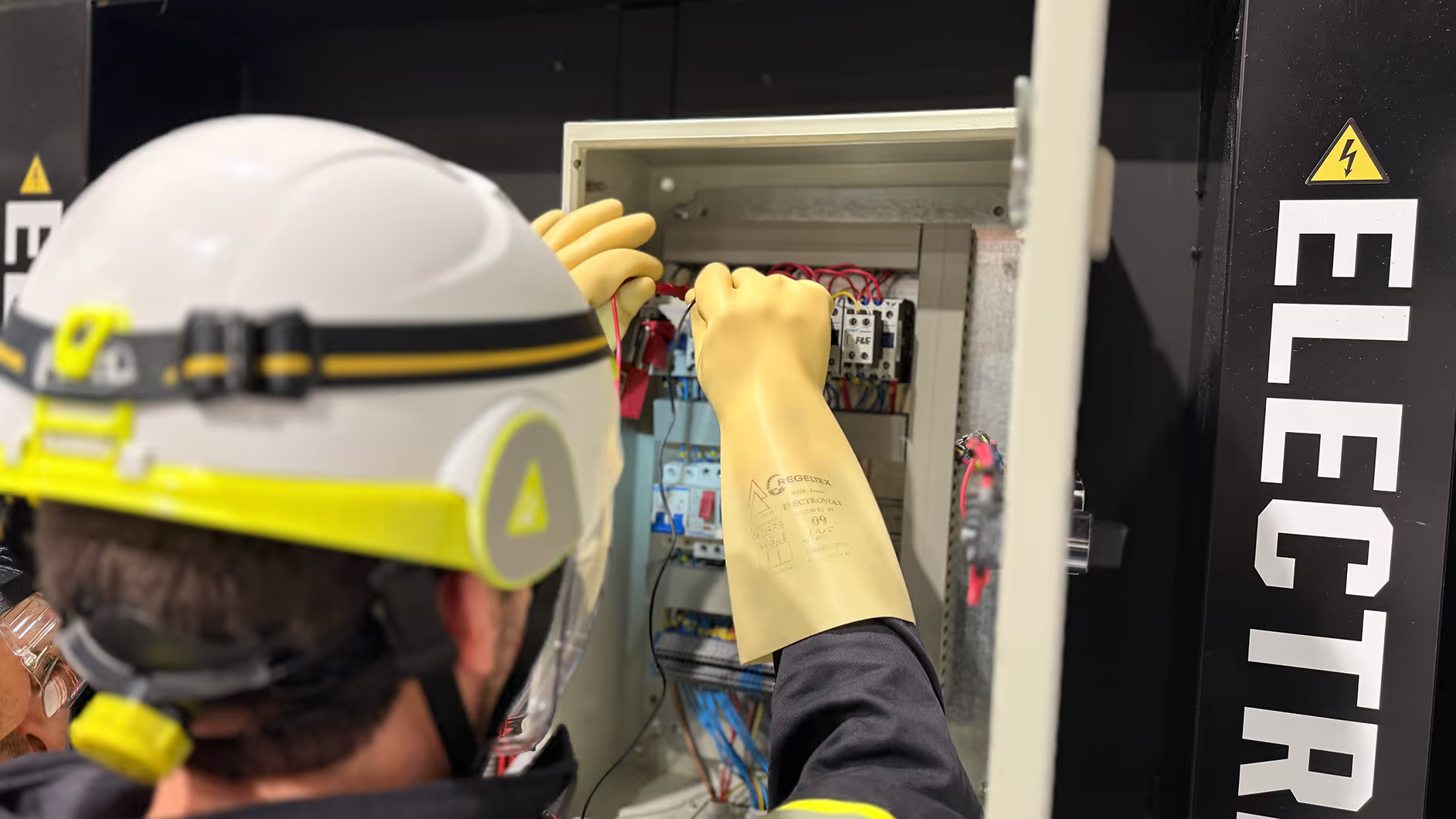
Objectives of the training
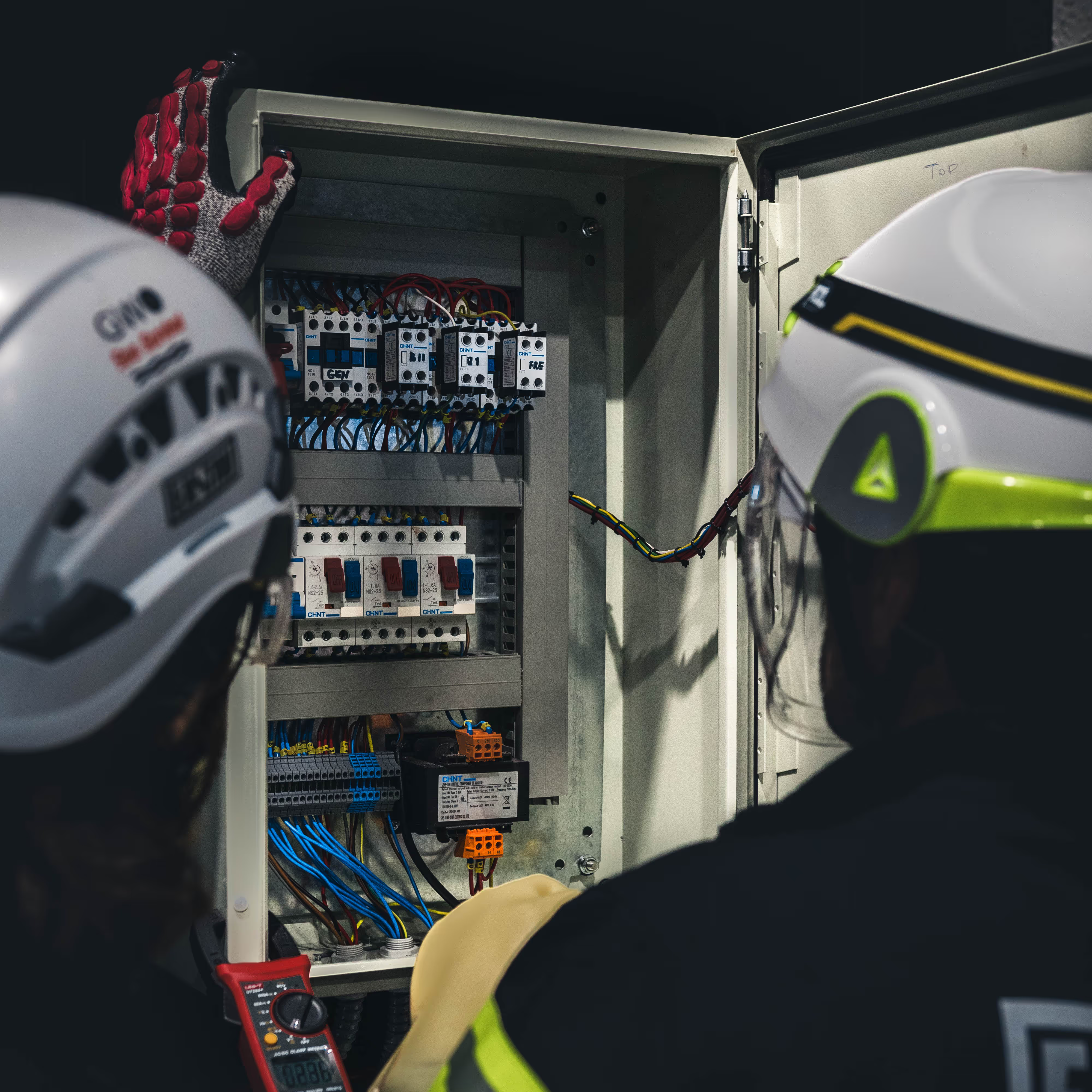
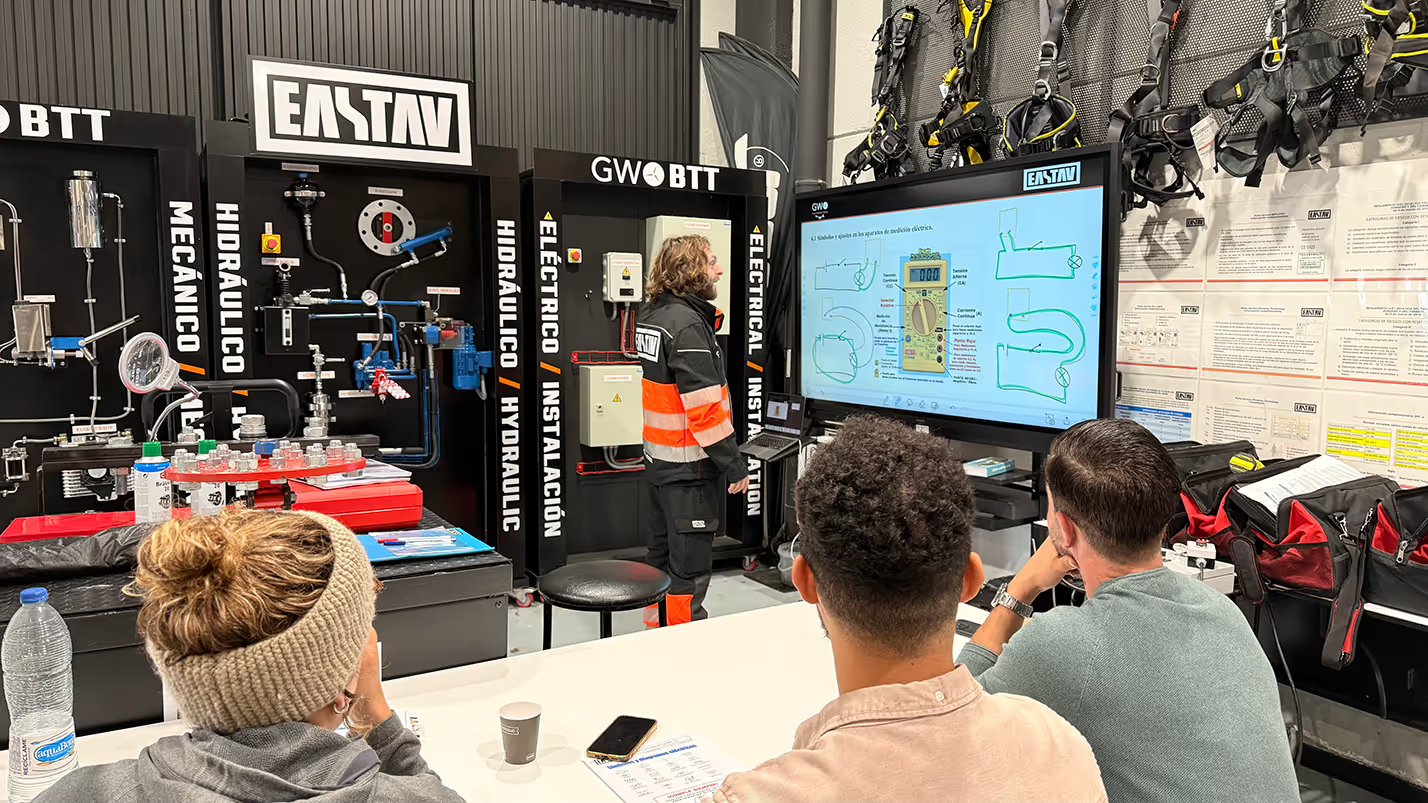
- Familiarize participants with Royal Decree 0614/2001 on minimum provisions for health and safety protection of workers faced with electrical risk.
- Explain the legal obligations and responsibilities of both employers and workers in connection with the prevention of electrical hazards.
- Identifying Electrical Risks, to teach workers to identify and evaluate electrical hazards in the work environment.
- Analyze case studies and examples of electrical accidents to recognize potential hazards
- Detail preventive measures that must be adopted to minimize electrical hazards, including the use of personal protective equipment (PPE) and the implementation of safe procedures.
- Train in proper installation and maintenance of electrical equipment to prevent accidents.
- Instruct on operating procedures in the event of an electrical accident, including first aid and evacuation protocols.
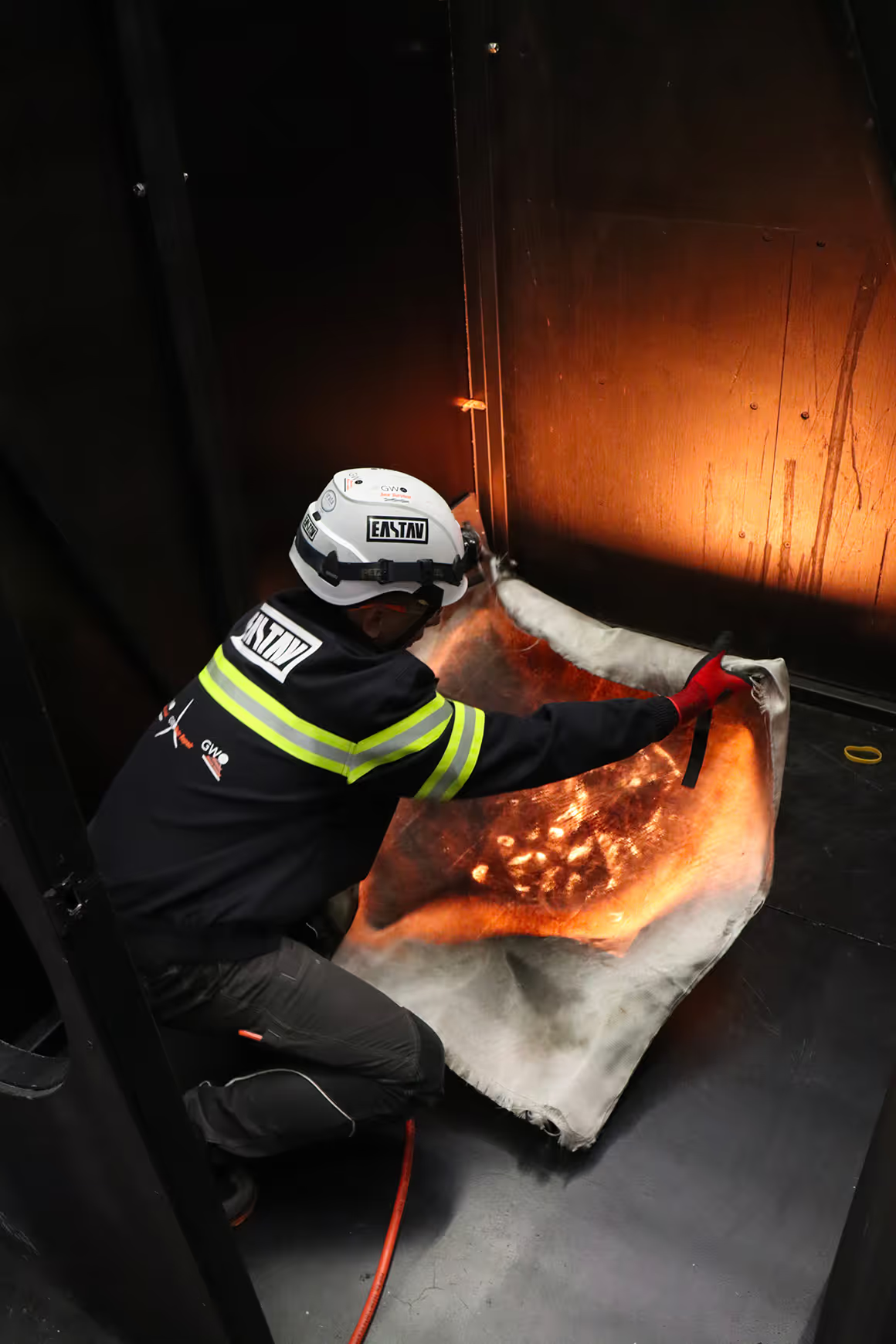
- Teach how to use firefighting equipment specific for electrical fires.
- Provide tools and techniques for evaluation continuous of electrical hazards in the workplace and promote the implementation of a plan to control and monitor the safety measures adopted.
- Encourage the creation of a culture of safety and prevention among workers.
Enroll in the RD 0614/01 Electrical Risk course to enhance your knowledge of electrical safety and concepts, even without prior experience.
Enroll in the RD 0614/01 Electrical Risk course to meet Spanish safety standards and enhance your electrical safety training for global recognition.
Discover the importance of basic electrical knowledge and safety regulations for effective training in the electrical sector.

Objectives of the training
- Familiarize participants with Royal Decree 0614/2001 on minimum provisions for health and safety protection of workers faced with electrical risk.
- Explain the legal obligations and responsibilities of both employers and workers in connection with the prevention of electrical hazards.
- Identifying Electrical Risks, to teach workers to identify and evaluate electrical hazards in the work environment.
- Analyze case studies and examples of electrical accidents to recognize potential hazards
- Detail preventive measures that must be adopted to minimize electrical hazards, including the use of personal protective equipment (PPE) and the implementation of safe procedures.
- Train in proper installation and maintenance of electrical equipment to prevent accidents.
- Instruct on operating procedures in the event of an electrical accident, including first aid and evacuation protocols.
- Teach how to use firefighting equipment specific for electrical fires.
- Provide tools and techniques for evaluation continuous of electrical hazards in the workplace and promote the implementation of a plan to control and monitor the safety measures adopted.
- Encourage the creation of a culture of safety and prevention among workers.
Enroll in the RD 0614/01 Electrical Risk course to enhance your knowledge of electrical safety and concepts, even without prior experience.
Enroll in the RD 0614/01 Electrical Risk course to meet Spanish safety standards and enhance your electrical safety training for global recognition.
Discover the importance of basic electrical knowledge and safety regulations for effective training in the electrical sector.
image gallery

Related courses

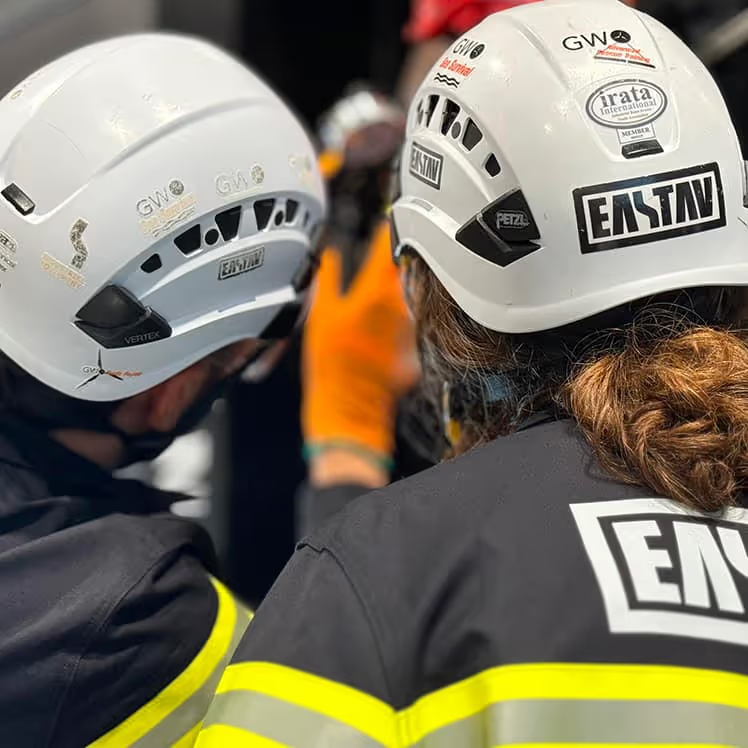
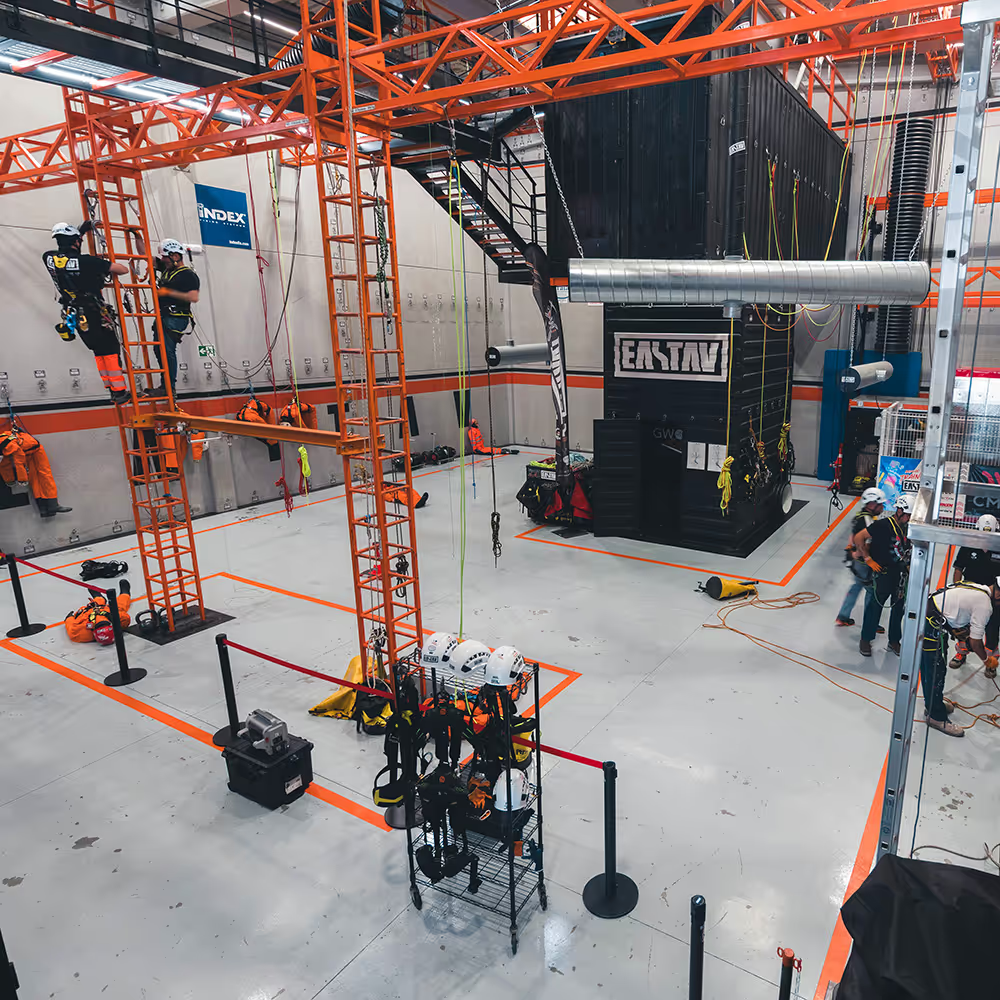
A highly professional IRATA 1 training experience at EASTAV
I recently completed a Rope Access training course at EASTAV in Sevilla, and I couldn't be more grateful for the experience. From start to finish, the team was professional, attentive, patient, and thorough in their teaching approach.
They make sure that every student feels confident, safe, and supported throughout the course.The equipment is modern, well-maintained, and up to date, which really adds peace of mind during such a hands-on training.
On top of that, they provide a detailed book with all the essential knowledge you need, making it easy to continue learning and revising even outside the classroom.
EASTAV also has its own shop with top-quality products—from clothing to teams—basically everything you could possibly need to work in the industry. This makes it incredibly convenient to start out fully prepared with reliable gear.
As a woman entering a field where we're still underrepresented, I have felt nothing but welcome and supported here. EASTAV creates an inclusive environment where anyone can succeed—whether you're male or female, new to the industry, or already experienced. You just need to be open to learning and willing to put in the effort.
Another big plus is the location—there are plenty of accessible facilities nearby, making the whole experience even more comfortable.
What really impressed me is the variety of globally recognized courses they offer, opening doors to industries such as the wind energy (wind energy sector) sector and many others. EASTAV is not just a training center, but a place that helps you take real steps forward in your career.
I highly recommend EASTAV to anyone considering Rope Access or looking to expand their qualifications.
You'll be in the best hands.A special thank you to Viviana, José, Hernan and Henry!