Confined Space Course Training: theoretical-practical course aimed at safety, procedures and the correct use of equipment.

Confined Spaces

Confined Space Course Training: theoretical-practical course aimed at safety, procedures and the correct use of equipment.

Proxima sesión :
No items found.

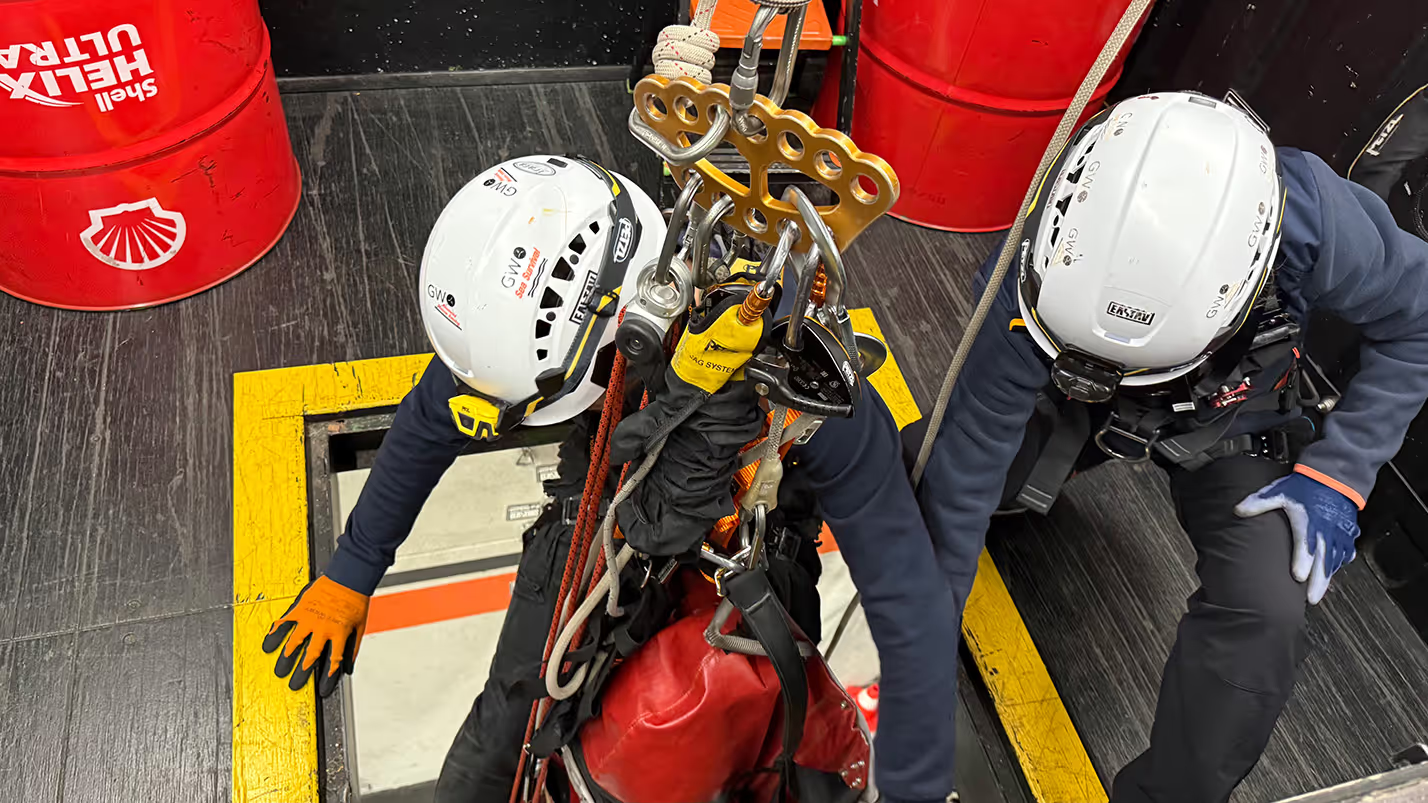
Our Confined Spaces training program aims to provide participants with practical knowledge necessary to safely access, perform work and perform rescues in these challenging environments. Upon completion of the course, participants will be prepared with the necessary skills and confidence to dealing with situations in confined spaces.

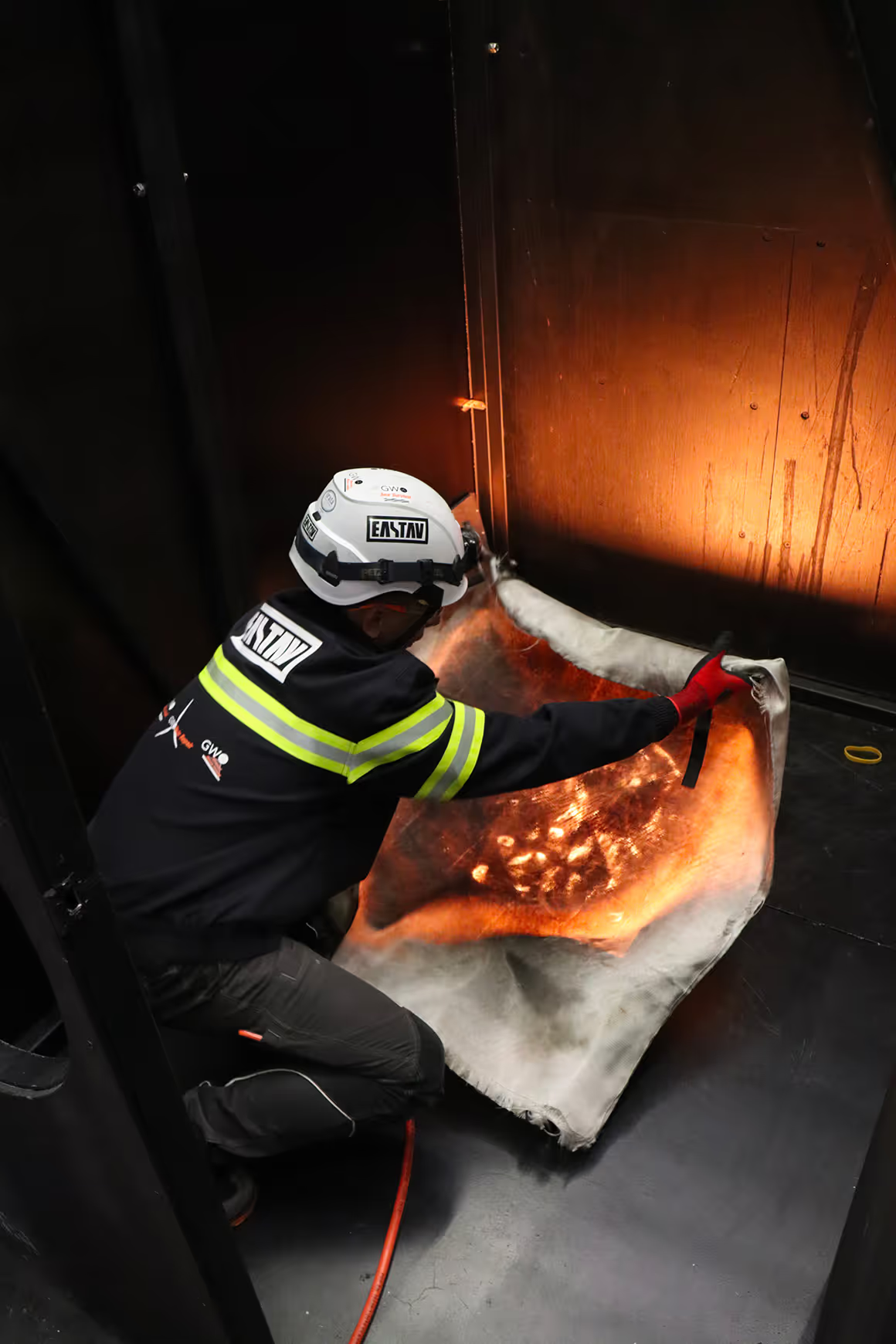
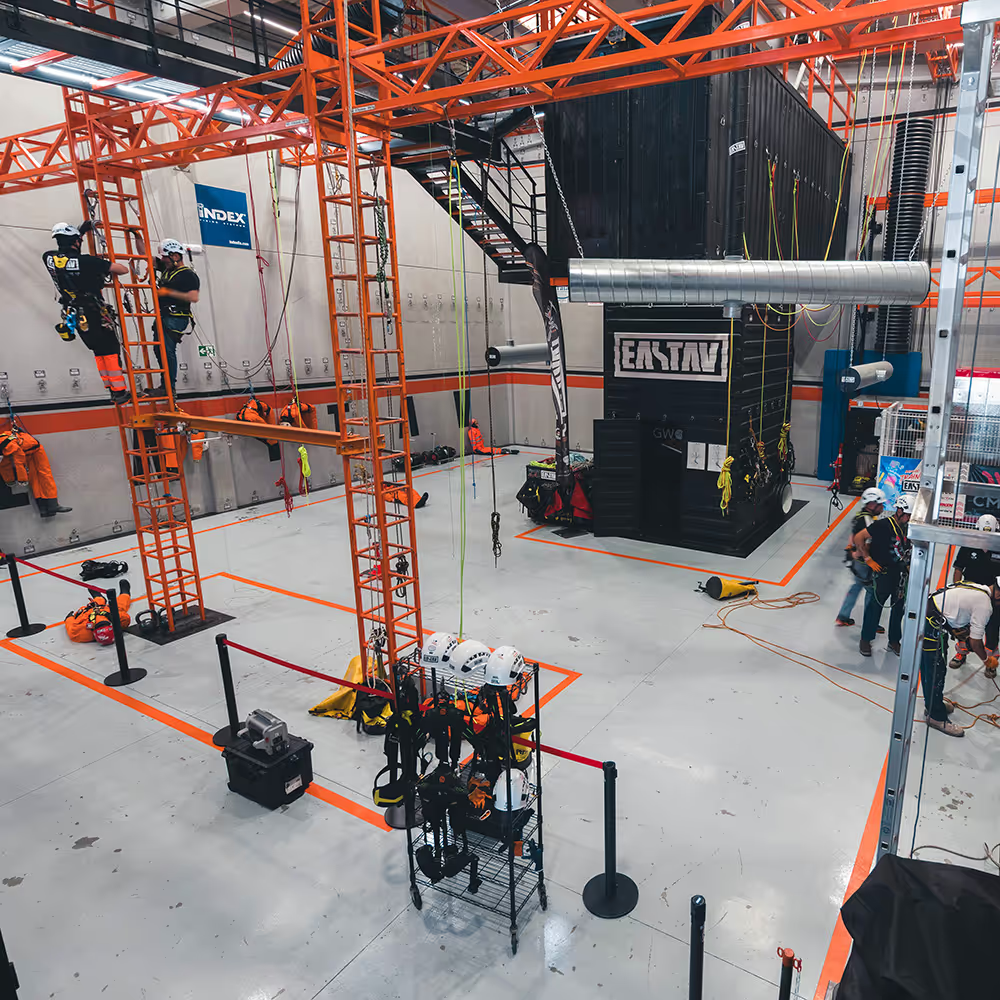
We have real scenarios, different levels of height, small places, vertical and horizontal pipes, smoke machines, man's mouths, anti-panic exits. Etc.

Working in confined spaces requires a deep understanding of the associated risks and the safety protocols necessary to minimize them. With the right information and techniques, it is possible to safely access, work and rescue in these challenging environments.

Our Confined Space training provides tangible benefits for both employees and employers. Some of these benefits include:

  • Reduction of accidents and injuries in the workplace.
  • Compliance with standards security and government regulations.
  • Improved productivity by ensuring that workers are prepared to face the challenges of confined spaces.
  • Increased trust and competence of employees when faced with risky situations.

Does the Confined Spaces course help me to work anywhere in the world?

The Confined Spaces course can be useful for working in different parts of the world, but it's important to consider several factors to ensure that the certificate and training you receive are recognized and accepted internationally: Local Regulations and Regulations: Each country or region may have its own regulations and regulations regarding working in confined spaces. It is essential to verify that the course you take complies with the regulations of the country where you plan to work. For example, in the United States, the Occupational Safety and Health Administration (OSHA) has specific regulations, while in Europe, the directives of the European Agency for Safety and Health at Work (EU-OSHA) may apply.

Do I need to have experience to take the Confined Spaces course?

It is not necessary to have previous experience to take the Confined Spaces course. This type of course is designed to provide the knowledge and skills necessary to work safely in confined spaces, so it is aimed at both inexperienced people and those who are already familiar with the subject but who need a certification or knowledge update. The courses usually cover aspects such as: Definition and classification of confined spaces: Explanation of what is considered a confined space and common examples. Potential hazards: Identification of risks and hazards associated with working in confined spaces, such as hazardous atmospheres, physical and mechanical hazards. Safety and risk control measures: Techniques and procedures for controlling and minimizing risks, including the use of personal protective equipment (PPE). Procedures for entering and working in confined spaces: Protocols and best practices for safe entry and exit, as well as for working within these spaces. Equipment and tools: Information on necessary equipment, such as gas detectors, autonomous breathing equipment, and communication systems. Emergency and rescue planning: Rescue and first aid procedures in case of emergency. Therefore, while previous experience can be beneficial, it is not a prerequisite to enroll and benefit from this type of training.

Is the Confined Spaces course also held online?

No, due to the physical and practical nature of the techniques taught, online training is not a viable option for the Confined Spaces course, it is highly practical and requires the direct supervision of certified instructors to ensure safety and the correct acquisition of technical skills. The main components of the course include: o Practical Training: A large part of the course consists of performing exercises in controlled environments, where instructors can provide immediate feedback and correct any errors. o Evaluation in Real Situations: Participants must demonstrate their skills in scenarios that simulate real work situations. This includes proper use of equipment, rescue techniques and safety procedures.

Our Confined Spaces training program aims to provide participants with practical knowledge necessary to safely access, perform work and perform rescues in these challenging environments. Upon completion of the course, participants will be prepared with the necessary skills and confidence to dealing with situations in confined spaces.

We have real scenarios, different levels of height, small places, vertical and horizontal pipes, smoke machines, man's mouths, anti-panic exits. Etc.

Working in confined spaces requires a deep understanding of the associated risks and the safety protocols necessary to minimize them. With the right information and techniques, it is possible to safely access, work and rescue in these challenging environments.

Our Confined Space training provides tangible benefits for both employees and employers. Some of these benefits include:

  • Reduction of accidents and injuries in the workplace.
  • Compliance with standards security and government regulations.
  • Improved productivity by ensuring that workers are prepared to face the challenges of confined spaces.
  • Increased trust and competence of employees when faced with risky situations.

Does the Confined Spaces course help me to work anywhere in the world?

The Confined Spaces course can be useful for working in different parts of the world, but it's important to consider several factors to ensure that the certificate and training you receive are recognized and accepted internationally: Local Regulations and Regulations: Each country or region may have its own regulations and regulations regarding working in confined spaces. It is essential to verify that the course you take complies with the regulations of the country where you plan to work. For example, in the United States, the Occupational Safety and Health Administration (OSHA) has specific regulations, while in Europe, the directives of the European Agency for Safety and Health at Work (EU-OSHA) may apply.

Do I need to have experience to take the Confined Spaces course?

It is not necessary to have previous experience to take the Confined Spaces course. This type of course is designed to provide the knowledge and skills necessary to work safely in confined spaces, so it is aimed at both inexperienced people and those who are already familiar with the subject but who need a certification or knowledge update. The courses usually cover aspects such as: Definition and classification of confined spaces: Explanation of what is considered a confined space and common examples. Potential hazards: Identification of risks and hazards associated with working in confined spaces, such as hazardous atmospheres, physical and mechanical hazards. Safety and risk control measures: Techniques and procedures for controlling and minimizing risks, including the use of personal protective equipment (PPE). Procedures for entering and working in confined spaces: Protocols and best practices for safe entry and exit, as well as for working within these spaces. Equipment and tools: Information on necessary equipment, such as gas detectors, autonomous breathing equipment, and communication systems. Emergency and rescue planning: Rescue and first aid procedures in case of emergency. Therefore, while previous experience can be beneficial, it is not a prerequisite to enroll and benefit from this type of training.

Is the Confined Spaces course also held online?

No, due to the physical and practical nature of the techniques taught, online training is not a viable option for the Confined Spaces course, it is highly practical and requires the direct supervision of certified instructors to ensure safety and the correct acquisition of technical skills. The main components of the course include: o Practical Training: A large part of the course consists of performing exercises in controlled environments, where instructors can provide immediate feedback and correct any errors. o Evaluation in Real Situations: Participants must demonstrate their skills in scenarios that simulate real work situations. This includes proper use of equipment, rescue techniques and safety procedures.

G google logo
He realizado el curso de trabajos verticales con EASTAV y la experiencia ha sido inmejorable. El equipo de formadores demuestra una gran profesionalidad y experiencia en el sector, explicando todo con claridad y asegurándose de que cada alumno adquiera las habilidades necesarias de forma segura.Las instalaciones y el material de práctica están en perfecto estado, lo que hace que el aprendizaje sea muy realista y completo. Además, el trato humano ha sido excelente: siempre atentos, cercanos y dispuestos a resolver cualquier duda.Sin duda, recomiendo EASTAV a cualquiera que quiera formarse en trabajos verticales con garantías y confianza.
Leer más
Silueta de una persona con los brazos levantados al atardecer con cielo despejado.
Claudio Pallares
G google logo
Superb experience.We came for the IRATA and GWO trainings expecting professionalism and high standards. I'm glad yo say that they surpassed our high expectations in every way.The premises are fully equipped with everything you need for your trainings, there's water supply, fridge and microwave for food, vending machine if you'd like a snack, a very appreciated and effective A/C (Stepping outside is like walking into the desert).Everyone is really professional and always eager to help, from the teachers to the cleaning staff. Everyone's great.Overall, a 10/10 experience, highly recommended.
Leer más
Icono de cara de calavera amarilla con expresión enfadada y cicatrices.
kike morales
G google logo
Me ha encantado las instalaciones pero lo mejor de todo.......el trato,la atención,todo el personal muy atento ,ayudándote y explicándote.Ya soy cliente y futuro alumno y por muchos años .
Leer más
Círculo azul grisáceo con una letra minúscula 'a' blanca en el centro.
antonio javier perez rico

Da tu próximo paso en trabajos verticales

Certificaciones oficiales, IRATA, GWO, FormacionesProfesionales, instalaciones de alto nivel y un equipo que te acompaña en cada paso.

Tabla de próximas sesiones de formación para diciembre 2025 con cursos GWO, IRATA y PRO, mostrando fechas, estado y plazas disponibles.

Próximas sessiones

Consulta el calendario actualizado de nuestras formaciones IRATA, GWO y PRL, con fechas abiertas y plazas disponibles. Elige la sesión que mejor se adapta a tu agenda y avanza en tu certificación con total confianza y planificación.

Calendario de las formaciones
Grupo de trabajadores con cascos y equipo de seguridad posando en una instalación industrial con logotipos de Eastav en la pared.
// JavaScript Document