
.png)

Wind Energy Sector and its Employment Forecast
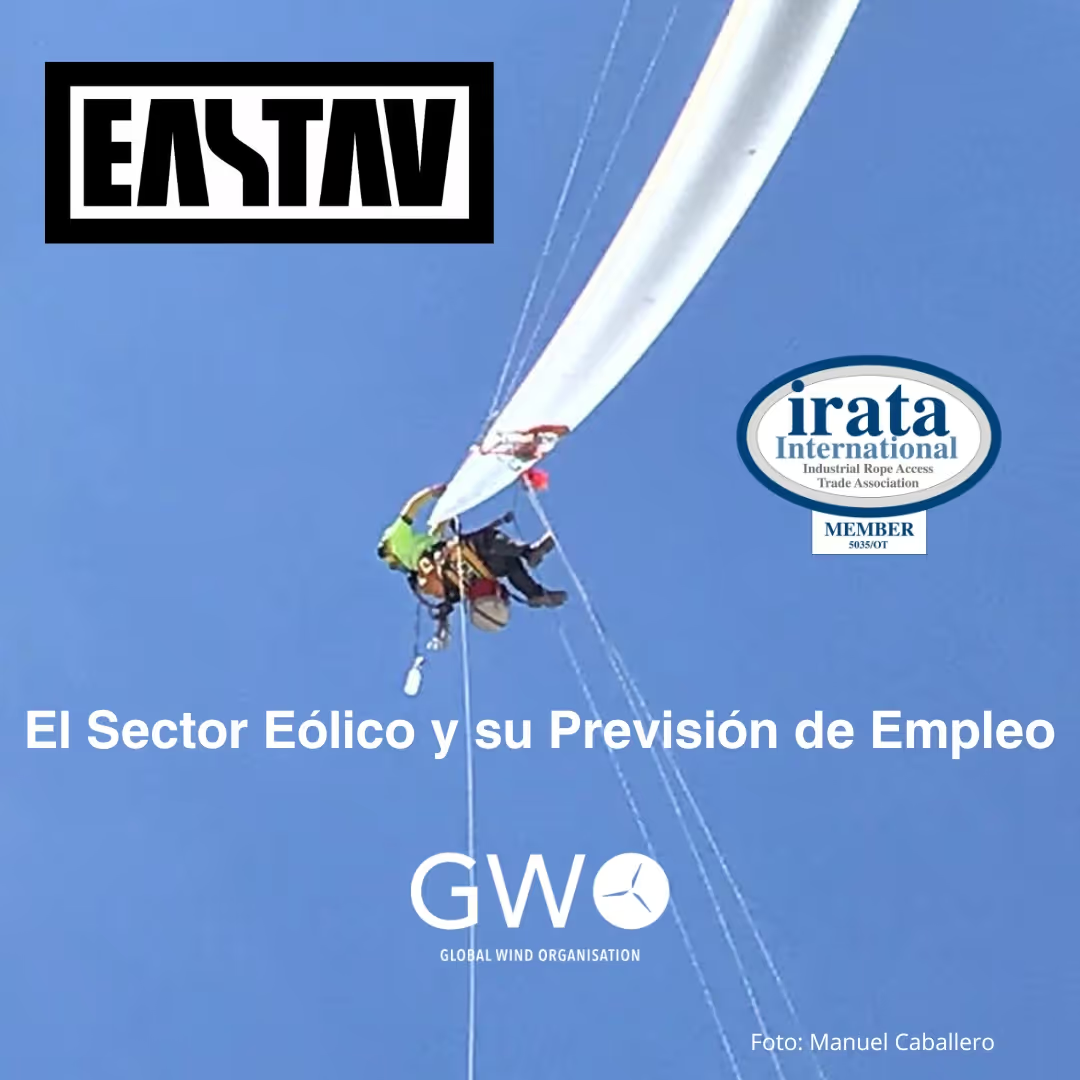
The wind sector is one of the fastest growing areas within the renewable energy industry. Globally and in Europe, wind energy is playing a crucial role in the transition to a greener and more sustainable economy. This is driven by several factors, including:
- Government Commitments: Many European countries have set ambitious goals for reducing CO2 emissions and increasing the use of renewable energy.
- Technological Innovation: Advances in wind turbine technology and energy storage systems have made wind energy more efficient and cost-effective.
- Investments in Infrastructure: Increase in both public and private investments in wind infrastructure, including both onshore (onshore) and offshore (offshore) wind farms.
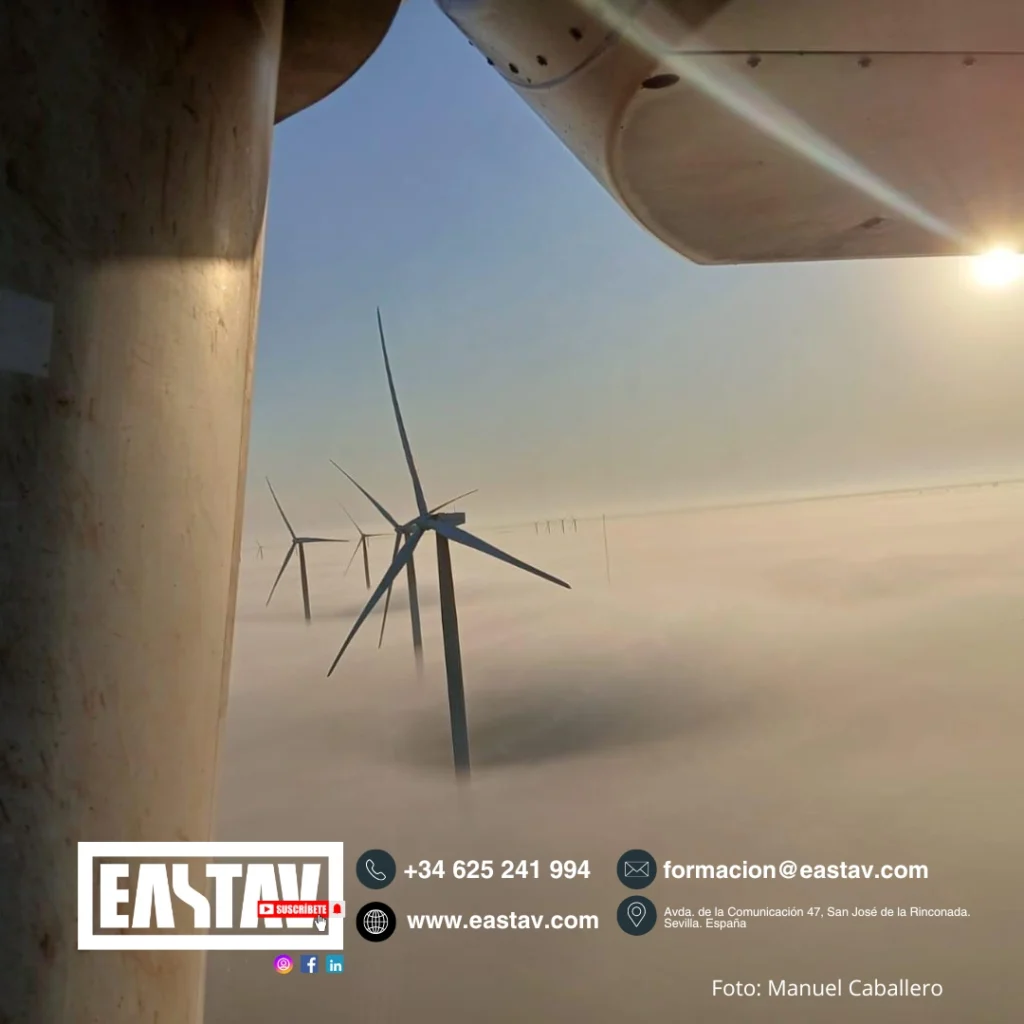
Employment Forecast
Employment in the wind power sector is expected to continue to grow in the coming years, not only in Europe but globally. Jobs in the wind sector include a wide range of specialties, from engineers and technicians to roles in installation, maintenance and operation.
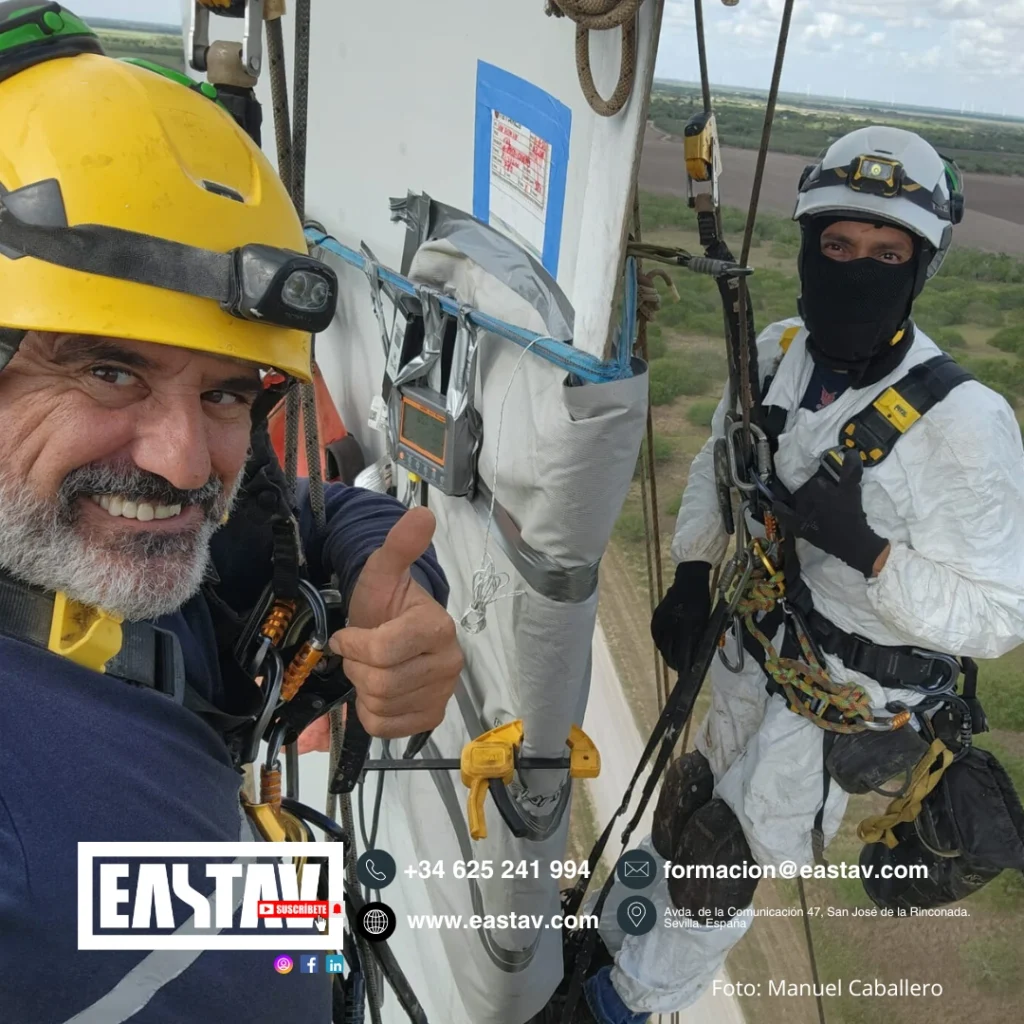
Main areas of employment in wind energy maintenance:
- Mechanics: Responsible for the maintenance and repair of the mechanical components of wind turbines.
- Electric: Responsible for electrical and electronic systems.
- Assemblers: They work on the assembly of wind turbines.
- Installers: Responsible for the installation of wind turbines on wind farm sites.
- Shovel repairs: Specialists in the repair and maintenance of wind turbine blades.
The graph shows the distribution of employees by type of work in wind maintenance, differentiating between jobs inside and outside wind turbines.

Conclusions
Not only is the wind sector crucial for meeting energy and climate objectives, but it is also a significant generator of employment. The continued expansion of wind capacity, together with the need for regular maintenance and repairs, ensures that the sector will continue to be an important source of well-paying and stable employment in the near future.

Related professional teams
Certified material used and recommended by our technicians.
Train yourself for the most popular technical profiles
IRATA, GWO training and certified professional courses to access qualified, safe and recognized jobs in work at height and industry.